

info@kwadrant-ia.nl

Response within 24h

+31 (0)33 299 60 57

Get immediate response

Yacht 55

Navigate to

PLC Systems and Control Software for Machine Building

Control software that controls machines and systems

A PLC system consists of a programmable logic controller, the associated input and output modules, and the control software used to control, monitor, and protect a machine or system.

Kwadrant IA designs and programs PLC systems that align with the technical design and operation of the system. We develop the software in a structured manner in accordance with IEC 61131-3 and S88, ensuring modular and maintainable code that can still be adapted even five years from now.

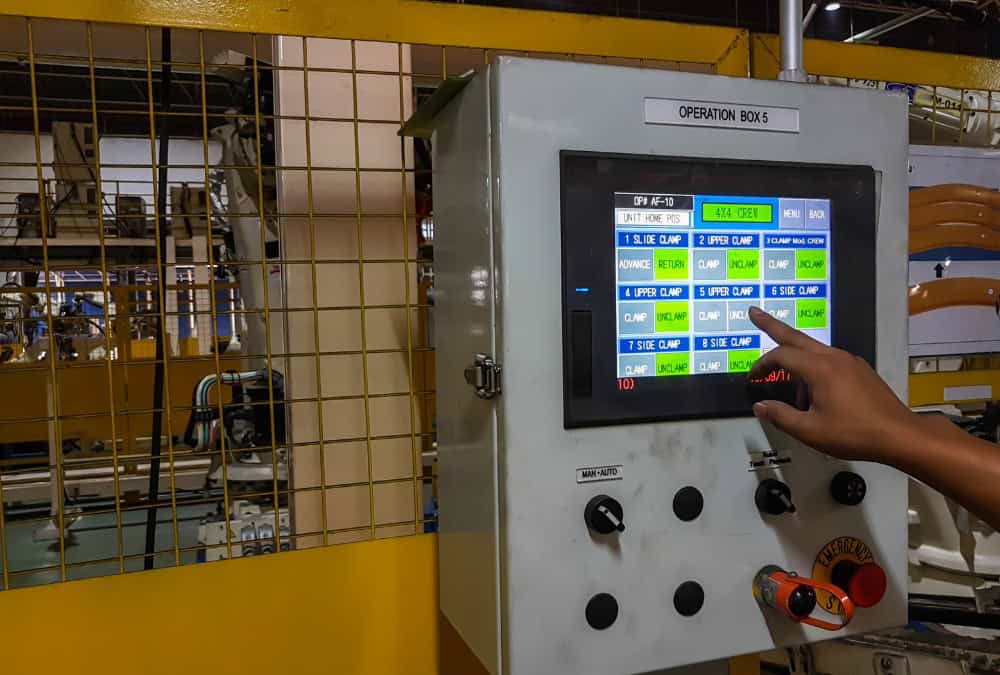
In addition to the control system itself, we develop the HMI interface and SCADA visualization, so that operators can stay informed about what the system is doing.

The Layers of a PLC System

A control system is not a standalone piece of software. It consists of layers that must fit together, and the choices made in one layer determine what is possible in another.

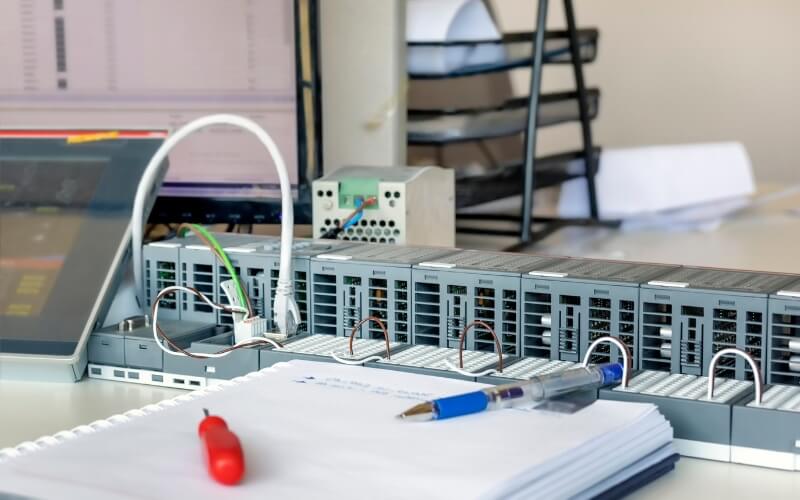
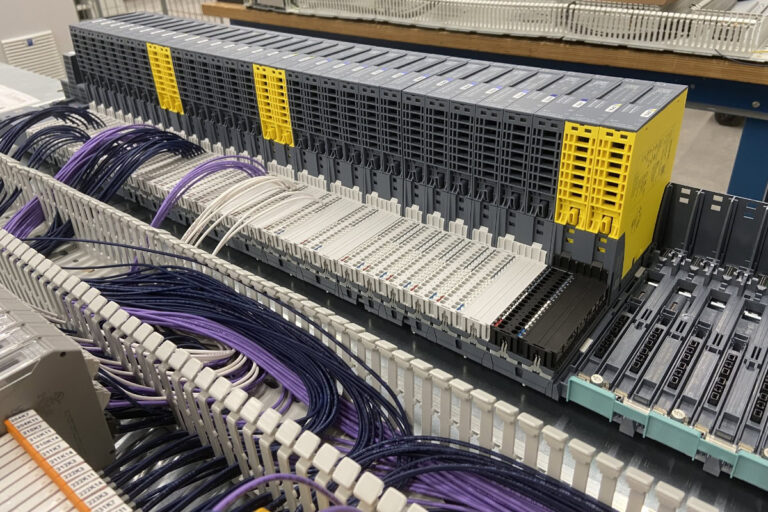
At the field level, sensors and actuators are connected via I/O modules. The choice of communication protocol determines the response time, diagnostic capabilities, and scalability of the system.

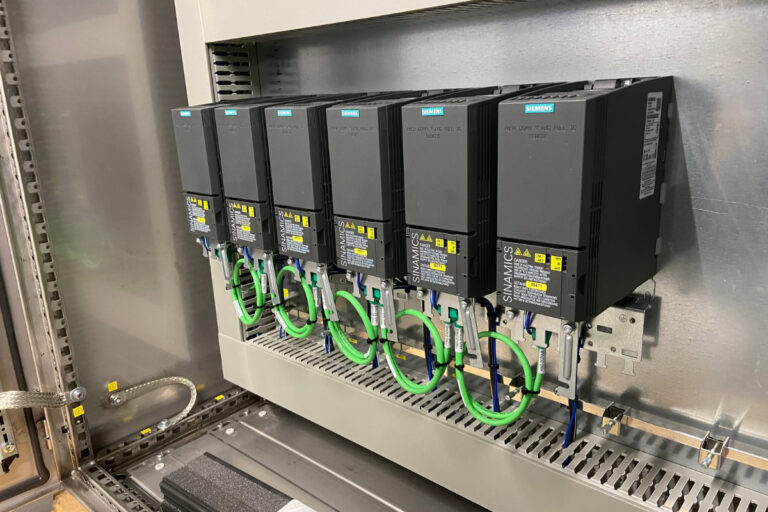
Above that is the PLC controller that controls the process in real time. Depending on the application, we use either a traditional PLC or a PC-based control system. A PLC is deterministic and robust, while an industrial PC offers more computing power and capacity for visualization or data processing on the machine itself. We make this decision on a project-by-project basis during the functional design phase.

The top layer consists of control and visualization: the HMI screen on the machine and the SCADA system that centrally monitors multiple installations. If you’d like to know how these two relate to each other, read about what exactly a SCADA system is and how it relates to a PLC.

PLC Systems in Practice

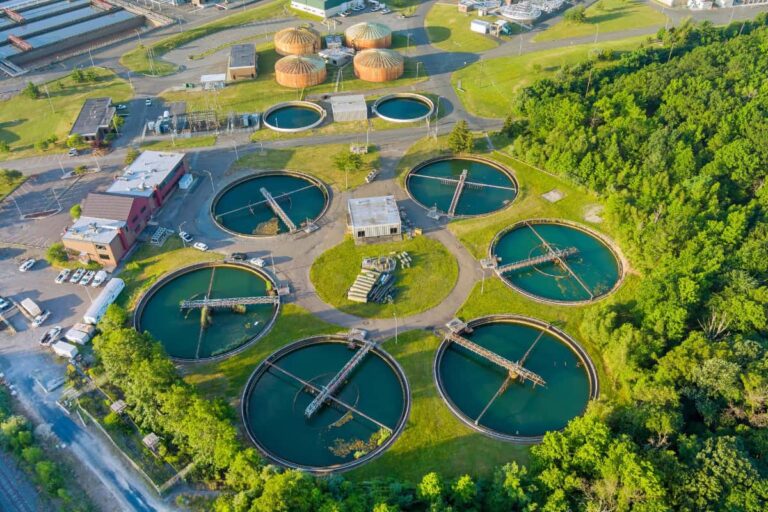
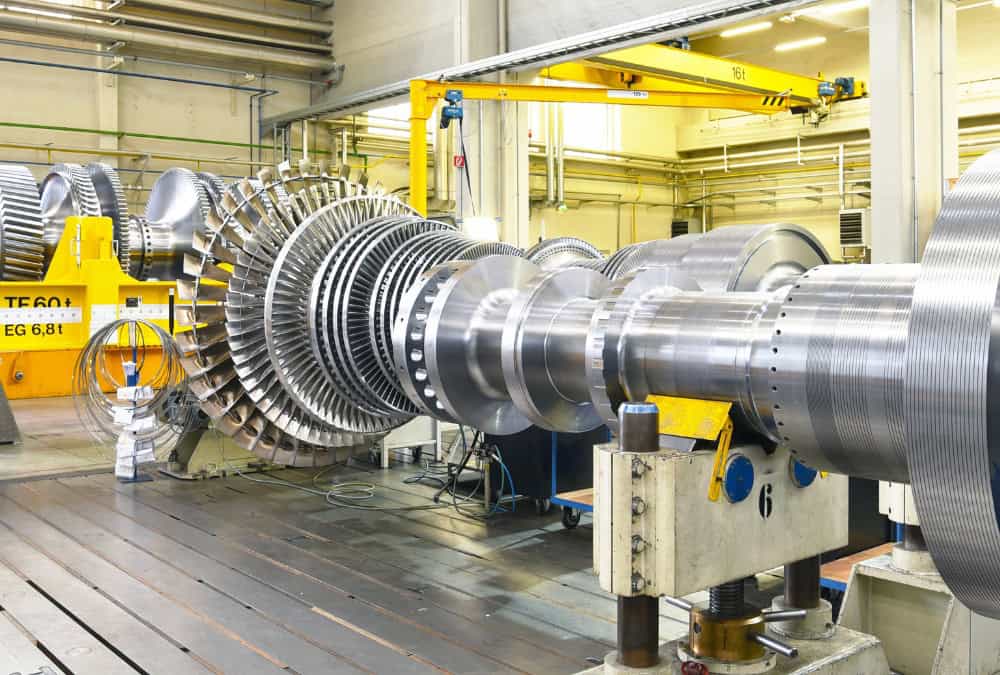
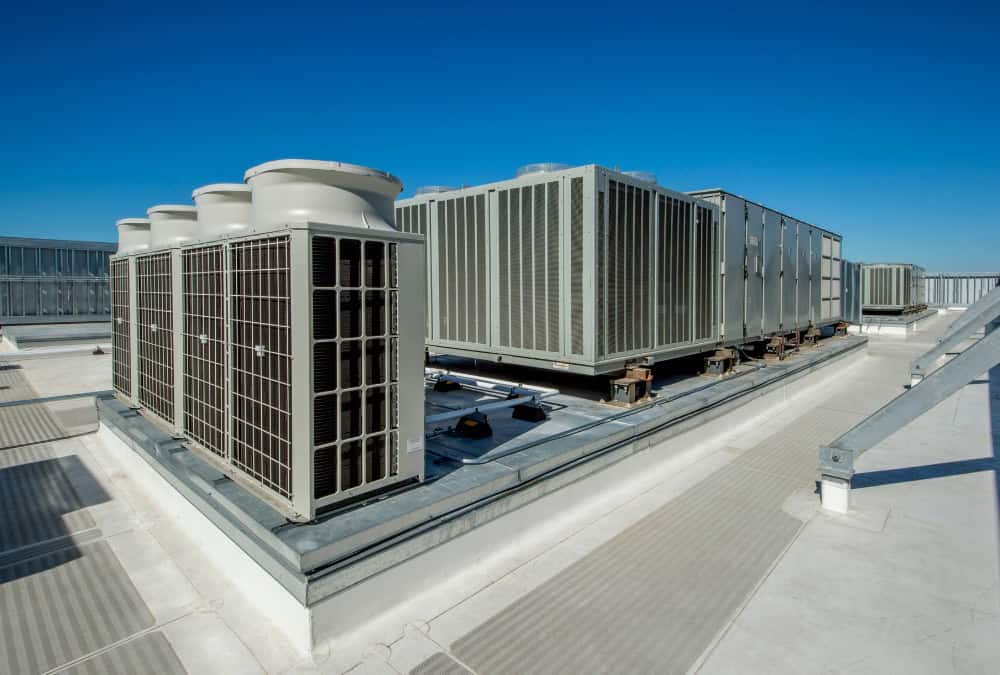
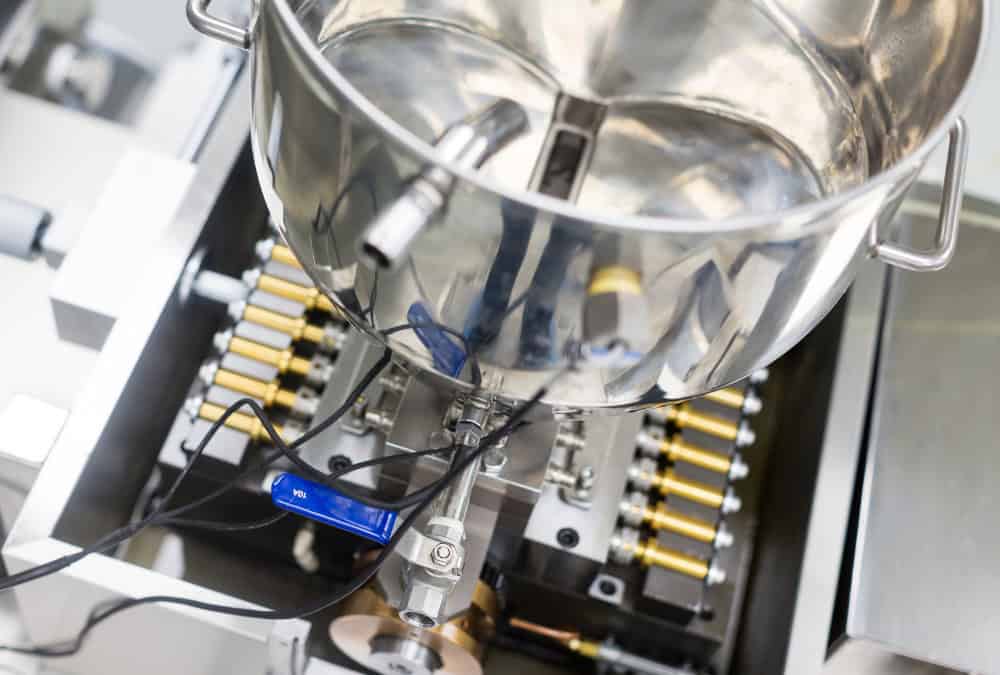
The true value of a control system becomes apparent only in the installation in which it operates. Our PLC systems control turbines, HVAC systems, dosing processes, waste processing, and robotic cells, each with its own requirements for cycle time, safety, and availability.

Gas turbine control panels

HVAC automation solutions

Weighing and dosing automation

PLC for waste handling

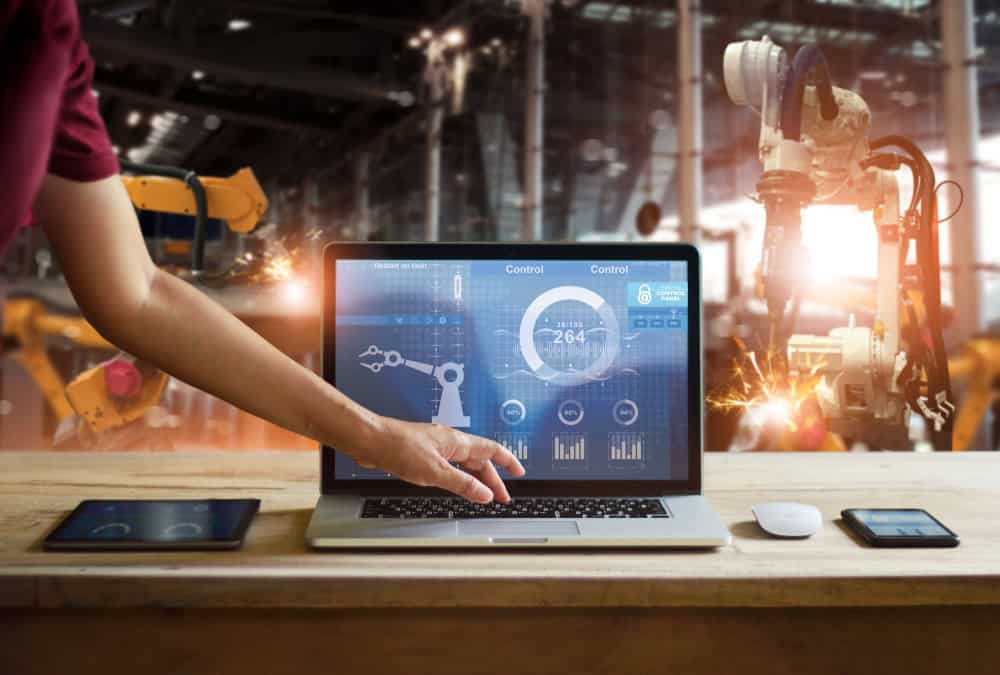
Industrial robot control systems

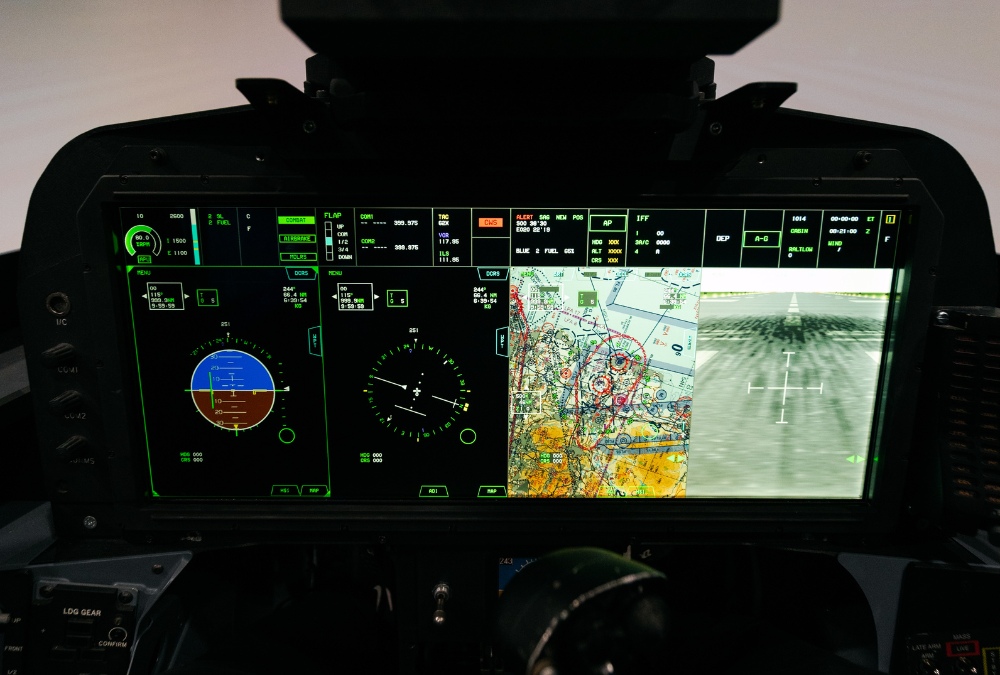
Simulator control systems

Years of experience in the field of industrial automation

Satisfied customers
0 +
Panels built
0 +
Years of experience
0 +

PLC software compliant with IEC 61131-3 and S88

Reliable software starts with a well-thought-out structure. We build PLC software in a structured manner according to the IEC 61131-3 standard, using familiar programming languages such as Structured Text and Function Block Diagram. For batch- and process-oriented systems, we use the S88 structure.

This results in well-organized software modules, reusable code, and efficient error detection. You won’t notice the difference at delivery, but you will three years later, when a new line is added or a malfunction needs to be troubleshot.

Modular architecture with standardized programming languages. Reusable, readable, and transferable—even to your own maintenance department.

Each software module is functionally tested in a digital or physical test environment—including I/O tests, functional tests, and fault simulations—before the cabinet is shipped.

Version control and documentation are part of the delivery process, not something that comes afterward. We deliver the software in such a way that changes remain traceable.

We perform engineering and documentation using EPLAN P8 with macro libraries to ensure a structured and maintenance-friendly design.

What exactly is PLC control?

Safety as an integral part of the control system, not as an afterthought

Safety features belong in the functional design, not in a separate layer added on afterward. We incorporate machine safety starting from the very first design phase.

For machinery , we comply with EN-ISO 13849-1, with a Performance Level of PLd or PLe depending on the risk assessment. For process installations, we apply the SIL methodology in accordance with IEC 61511 for Safety Instrumented Systems.

In practice, this means: a safety PLC or safety relay where needed, a well-founded choice, and a verifiable level of safety rather than an assumption.

Contact

Start your project with a technical consultation

Do you have an issue around panel building or industrial automation? We like to think with you from the initial design phase to realization and commissioning. Get in touch and discuss your project with one of our specialists.

Technical consultation

Direct contact with a specialist.

Quick follow-up

A substantive response within a short time.

Clear approach

From inventory to technical development.

Contact formulier EN (#7)

Controls, panel, and hardware—all from a single source

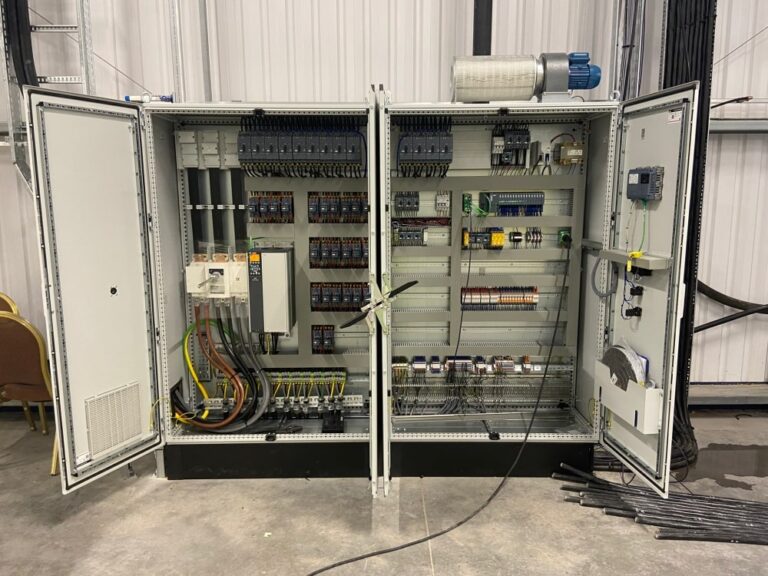
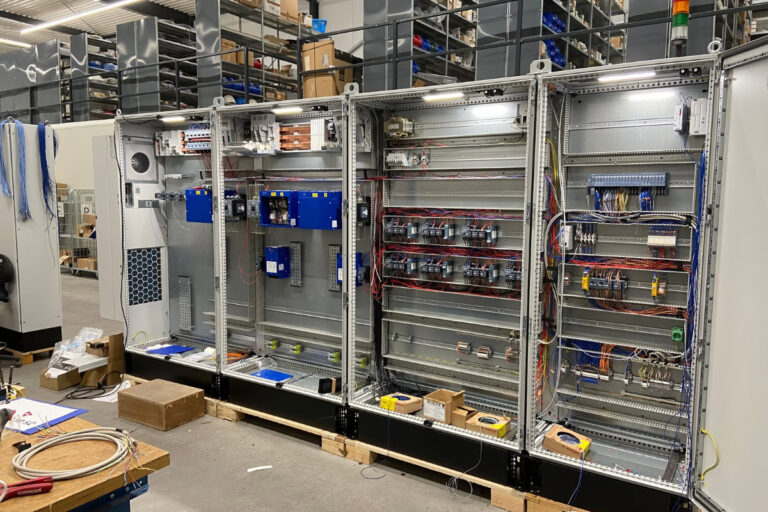
We do not view the control software as a standalone product, but as part of the overall system. Our engineers are involved from the design phase onward and ensure seamless integration with hardware engineering, panel building, and installation.

Whether it’s a modification to an existing installation or a complete system build, we deliver stable and scalable software that works in real-world applications. This applies just as much to a Siemens S7-1500 controller in mechanical engineering as it does to a PLC controller in a water treatment plant.

From functional design to FAT and SAT

The process begins with the functional design: what should the system do, under what conditions, and what happens if something goes wrong. We answer those questions before a single line of code is written.

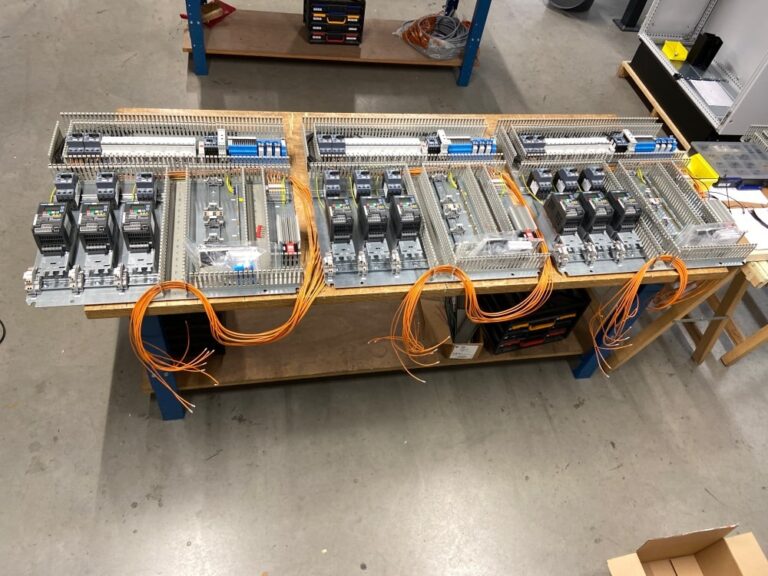
Next come engineering, programming, and integration with panel building and hardware. Because we handle all these disciplines in-house, no one has to wait for anyone else, and coordination errors between parties are eliminated.

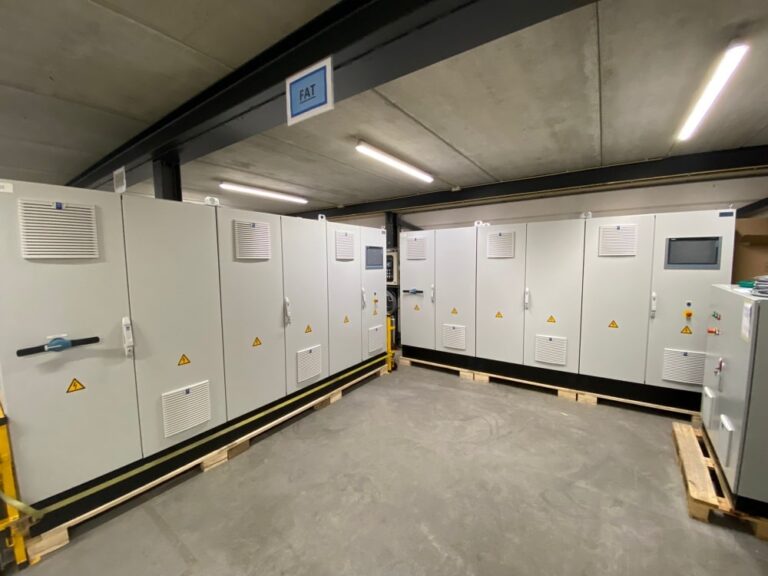
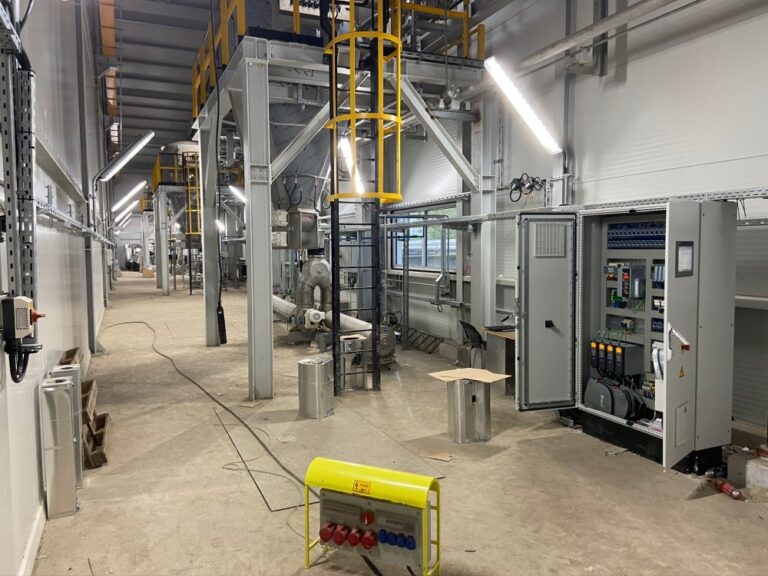
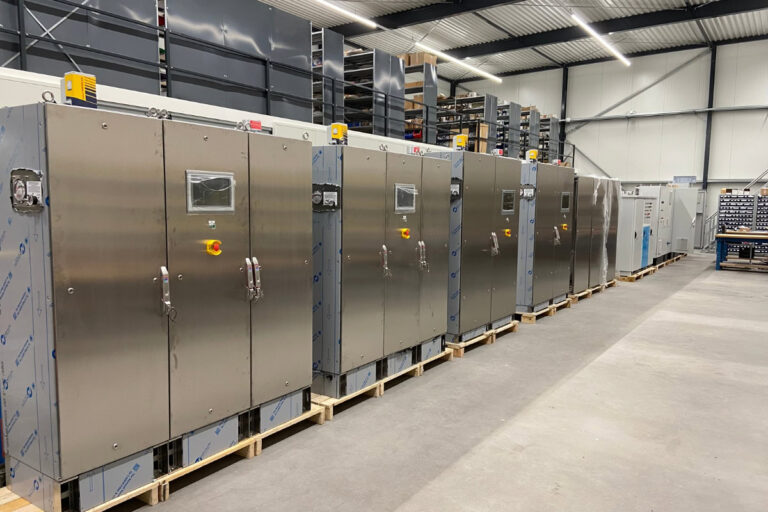
FAT and SAT are standard steps. During the FAT, we test the system at our facility before it is shipped to the site. After installation, the SAT is conducted in a real-world environment. We then commission the system and hand it over, including documentation and version control.

We do not build standard solutions, but technically sound systems that match the complexity of modern mechanical engineering.

Related articles on PLC systems

Frequently Asked Questions About PLC Systems

A PLC system consists of a programmable logic controller, the associated input and output modules, and the control software used to control, monitor, and protect a machine or system. In most installations, it is supplemented with an HMI for operation and a SCADA system for centralized monitoring.

We program according to the IEC 61131-3 standard, using programming languages such as Structured Text and Function Block Diagram. These form the basis for modular and maintenance-friendly PLC software within industrial environments. For batch- and process-oriented systems, we also use the S88 structure.

We develop software for various platforms, including Siemens, Rockwell/Allen-Bradley, Schneider Electric and CodeSys-based systems. We match the choice to the requirements and standards within the project.

Yes, in addition to developing control software, we also create visualizations for HMI and SCADA systems. These are tailored to the specific installation and ensure clear and intuitive operation and monitoring. Learn more about our approach to SCADA systems.

All software is tested in a simulation or test environment: I/O tests, functional tests, and fault simulations. This is followed by the FAT, during which the entire system is tested at our facility before being shipped to the site. After installation, the SAT concludes the process.

Yes, we provide support for extensions, optimizations or revisions to existing software. Thanks to our structured structure, changes can be implemented quickly and safely, with minimal disruption to your process.

Upon delivery, you will receive a complete software package including version control and associated documentation. This keeps the software traceable, manageable and ready for future maintenance or expansion.