
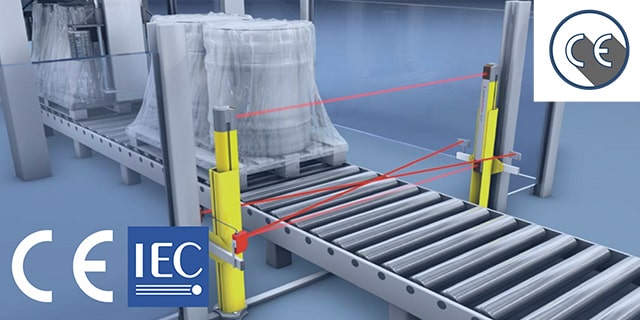

Modbus, Profinet or Profibus? Industrial communication protocols compared
Modbus, Profinet and Profibus are three widely used industrial communication protocols, each with its own role. Modbus is a simple, vendor-neutral protocol for sensors, meters

What is a SCADA system and how does it compare to a PLC?
A Supervisory Control and Data Acquisition (SCADA) system is software that allows operators to centrally monitor and control industrial processes. It collects real-time data from
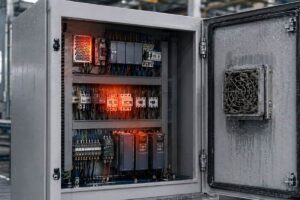
IP65 ventilation problem in control cabinets
An IP65 control cabinet is chosen to protect components from dust and water. This is important in industrial environments, production areas, outdoor setups or installations
When do you need cooling in a control cabinet?
A control cabinet always develops heat. That happens from components such as power supplies, PLCs, variable speed drives, relays, contactors, network components and cabling. In
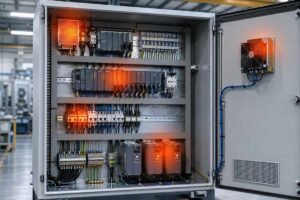
5 causes of overheating in electrical cabinets
A control cabinet that gets too hot has usually been giving signals for some time. An inverter occasionally fails. A power supply gets hotter than

ATEX zone 1 vs. zone 2: what does it mean for your control cabinet?
Within industrial environments where explosion hazards are present, ATEX zones are often used. Yet in practice we see that the difference between zone 1 and