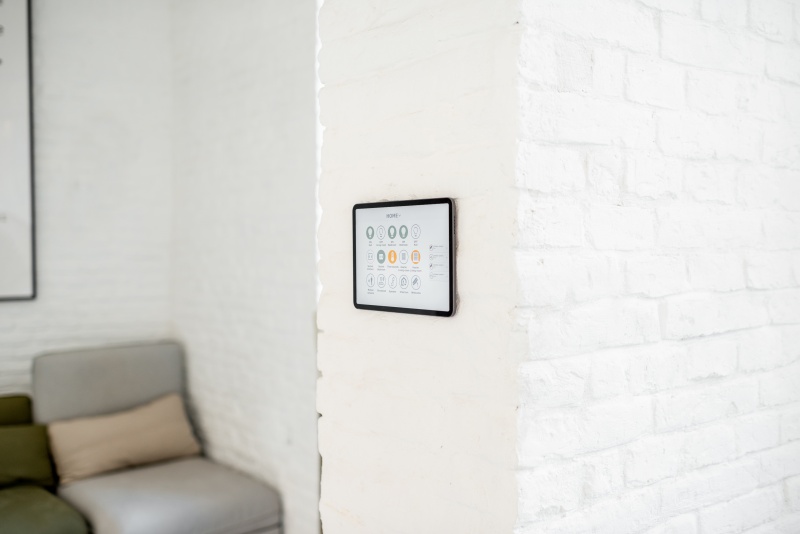

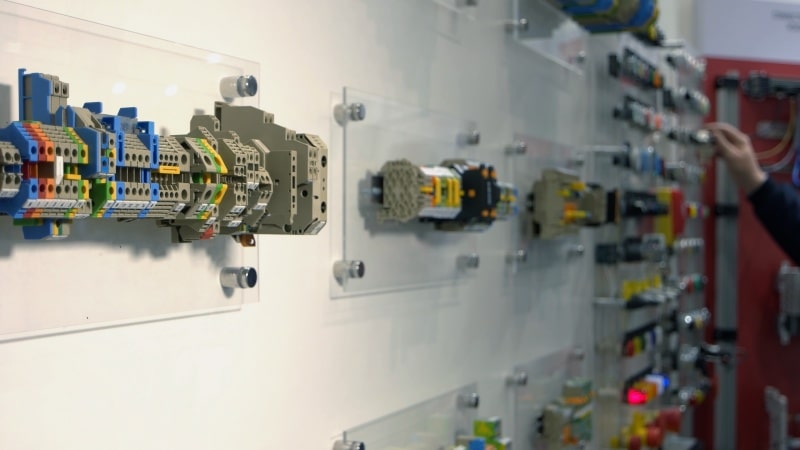

AC drives are crucial technologies in modern life and contribute enormously to energy efficiency and sustainability. But what exactly are frequency converters and why are they so important? AC drives are electronic devices that control the frequency of an electric current and adjust it to meet certain requirements. This then leads to better operation of electric motors and more productive energy consumption. Keep this definition of variable speed drives in mind and see how they help improve our world.
Table of Contents
History and evolution of variable speed drives
OPEN CALCULATION
OFFER IN 5 DAYS
SUSTAINABLE INNOVATIONS
UL/CSA
IN HOUSE
Types of variable speed drives
How are variable speed drives controlled?
Frequency converters in various applications
Where are variable speed drives used?
Industrial applications
Contact our experienced innovator
Cees Brasser
With more than 26 years of experience at the helm of Kwadrant IA, Cees Brasser is your expert on panel construction for the mechanical engineering sector. Discover how his knowledge and insight can take your project to new heights. Get in touch now!
Inside homes and buildings
In the transportation sector
Energy and water management
Your electrical engineering ambitions, our mission
Our expert team at Kwadrant IA is ready to turn your electrical issues into concrete solutions. Are you ready for the next step?
In agriculture
Related Articles

Modbus, Profinet or Profibus? Industrial communication protocols compared
Modbus, Profinet and Profibus are three widely used industrial communication protocols, each with its own role. Modbus is a simple, vendor-neutral protocol for sensors, meters

What is a SCADA system and how does it compare to a PLC?
A Supervisory Control and Data Acquisition (SCADA) system is software that allows operators to centrally monitor and control industrial processes. It collects real-time data from
IP65 ventilation problem in control cabinets
An IP65 control cabinet is chosen to protect components from dust and water. This is important in industrial environments, production areas, outdoor setups or installations
When do you need cooling in a control cabinet?
A control cabinet always develops heat. That happens from components such as power supplies, PLCs, variable speed drives, relays, contactors, network components and cabling. In
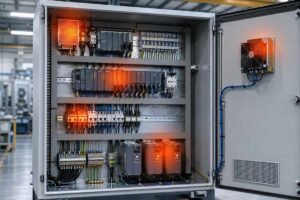
5 causes of overheating in electrical cabinets
A control cabinet that gets too hot has usually been giving signals for some time. An inverter occasionally fails. A power supply gets hotter than
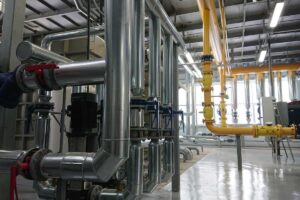
ATEX zone 1 vs. zone 2: what does it mean for your control cabinet?
Within industrial environments where explosion hazards are present, ATEX zones are often used. Yet in practice we see that the difference between zone 1 and