
Machine safety control cabinets PLd / PLe
- Standards-compliant safety
- Reliable safety features
- Clear documentation
Safety functions integrated into industrial control cabinets
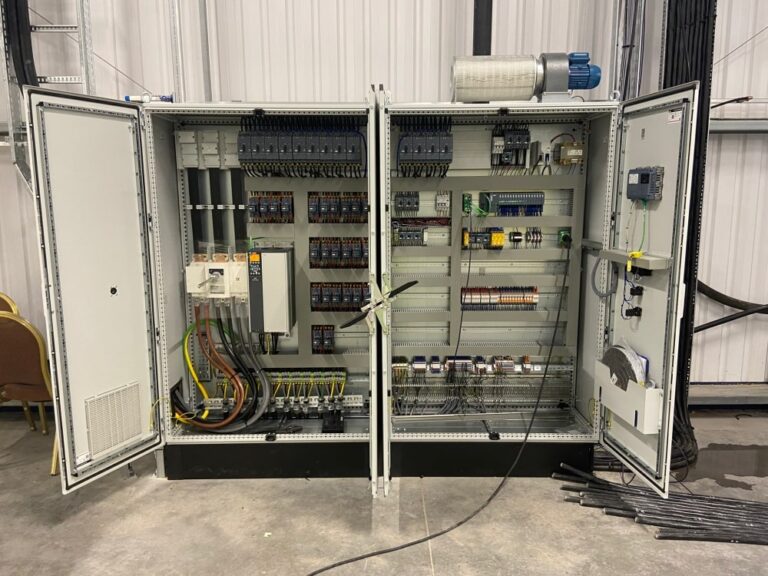
Machine safety control cabinets PLd / PLe are an essential part of safe machine control within industrial environments. In a control cabinet, safety functions such as emergency stop circuits, door guards and safety relays are brought together and implemented in a technically correct way. By including machine safety already in the design of the control cabinet, a reliable solution is created that reduces risks and complies with applicable guidelines. A properly designed control cabinet supports safe operation, clear error detection and predictable operation of machines and plants.
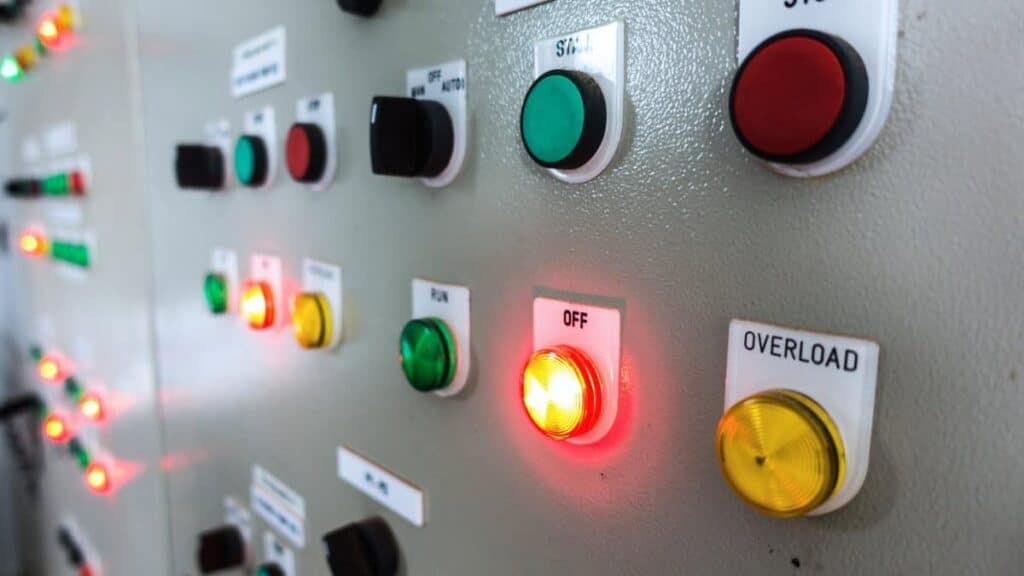
Panel Building Pioneers for Mechanical Engineering
With the precision of a watchmaker and the agility of an acrobat, Kwadrant IA is committed to creating custom electrical panels for mechanical engineering. As a resilient player in panel building, we move quickly without sacrificing quality or durability. Step into our world of innovation and discover how we can take your mechanical engineering projects to the next level.
What are machine safety control cabinets PLd / PLe
Machine safety control cabinets with PLd or PLe are specifically designed to perform safety functions within machines and plants reliably. The Performance Level indicates the probability of a safety function working correctly when required. PLd and PLe are applied to high-risk machines, where failure can lead to serious injury or major damage. The control box brings together safety relays, emergency stop circuits and other safety components in a structured and controllable assembly.
Important standards and guidelines
EN ISO 13849-1
EN ISO 13849-1 describes the methodology for determining and realizing the Performance Level of safety functions. Among other things, this standard looks at the architecture of the safety system, component reliability and fault detection. Within PLd PLe machine safety, this standard is leading for design and validation of safety chains in control cabinets.
NEN-EN 60204-1 and NEN-EN 61439
NEN-EN 60204-1 focuses on the electrical equipment of machinery and describes requirements for emergency stop devices, wiring and testing. NEN-EN 61439 applies to the construction of the control cabinet itself and covers topics such as thermal load, short-circuit resistance and structural safety. Together, these standards form the basis for safe and reliable control cabinets.
CONTACT US
Applications in industry
Machine safety control cabinets are used in diverse sectors such as mechanical engineering, logistics, food and industrial automation. Depending on the risk level and application, PLd or PLe is chosen. Think of production lines with moving parts, robotic systems, transport systems and automated cells. The control cabinet is often integrated with existing PLC and HMI systems for operation and status information.
Advantages of machine safety control cabinets PLd / PLe
- Reliable execution of safety functions
- Reduction of risk for operators
- Supporting CE pathway and risk assessment
- Clear structure and documentation
Through structured construction and proper component selection, safety functions remain insightful and reproducible.
The process from design to commissioning
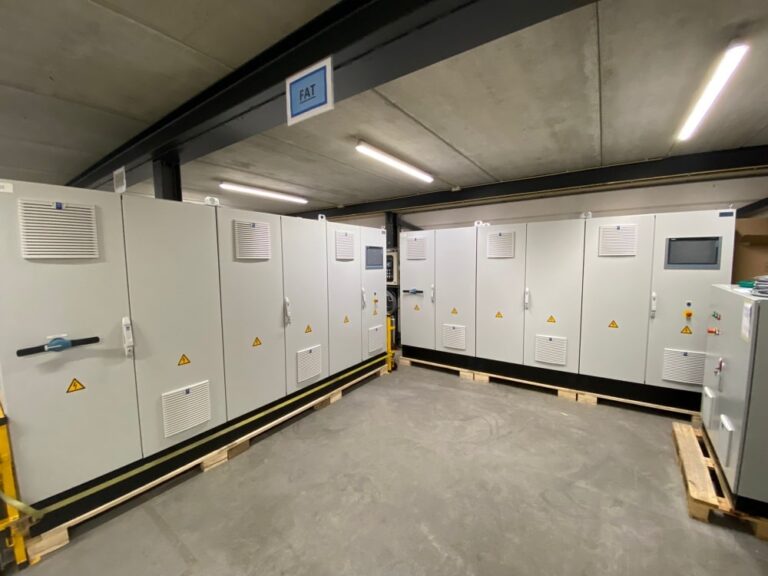
The process starts with a risk analysis and identification of required Performance Levels. During engineering, safety functions are worked out in EPLAN, including schematics and component selection. Panel construction is followed by functional testing and a Factory Acceptance Test to verify the operation of the safety chains. During on-site commissioning, a Site Acceptance Test confirms that all safety functions function correctly within the machine or plant.
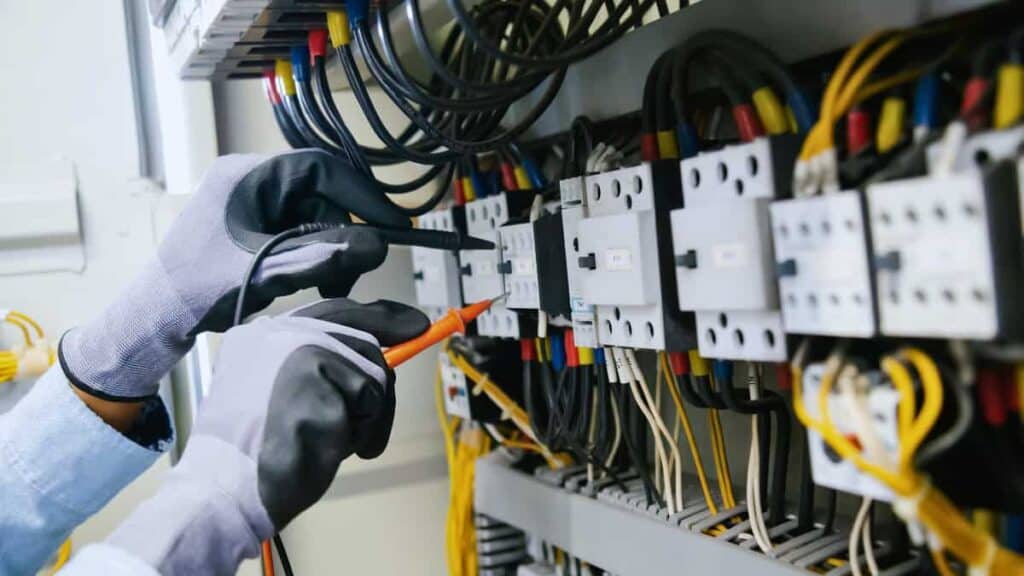
Years of experience in the field of industrial automation
Industrial automation with international standards
Industrial automation requires more than just a correctly constructed panel. We start with the architecture of the system and make conscious choices in component selection, standardization and scalability. By fully mastering engineering, panel construction and integration, we realize control systems that perform reliably in demanding industrial environments. From modular construction to international compliance, every detail is focused on quality, longevity and manageable Total Cost of Ownership.
We do not build standard solutions, but technically sound systems that match the complexity of modern mechanical engineering.
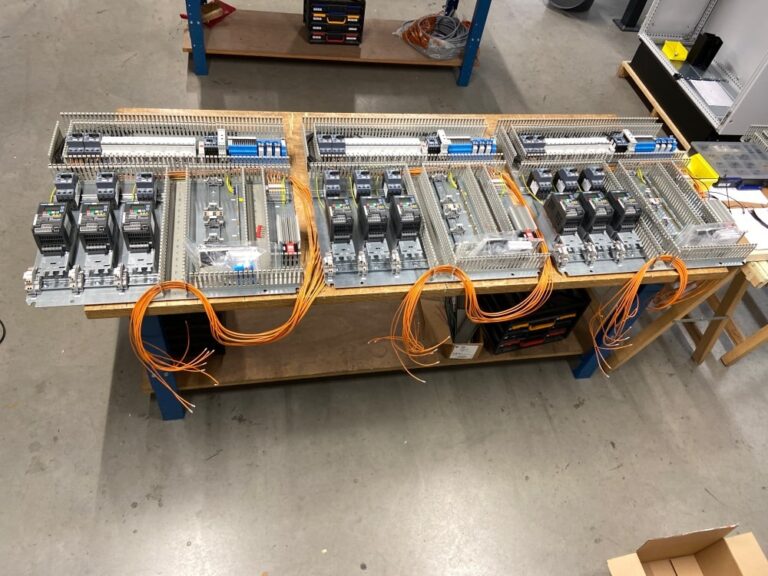
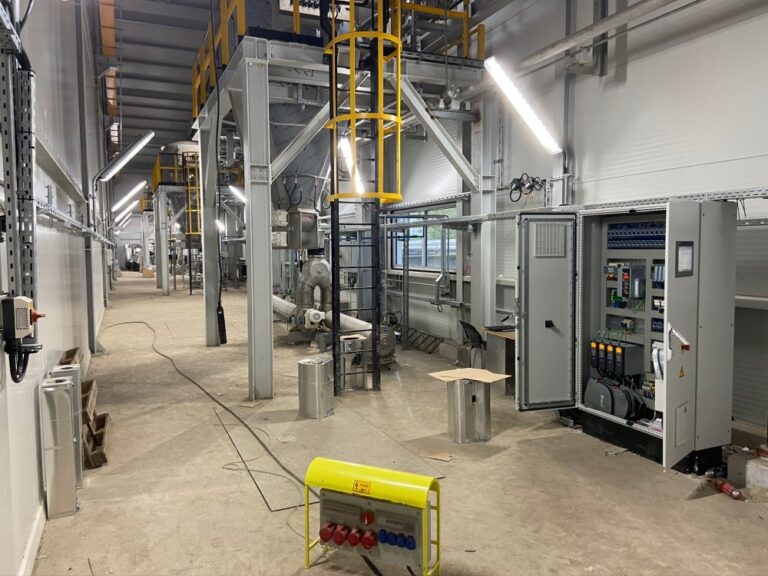
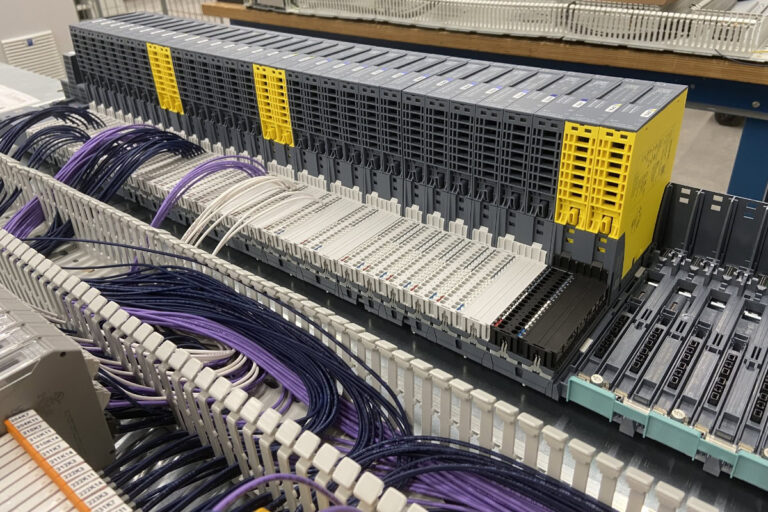
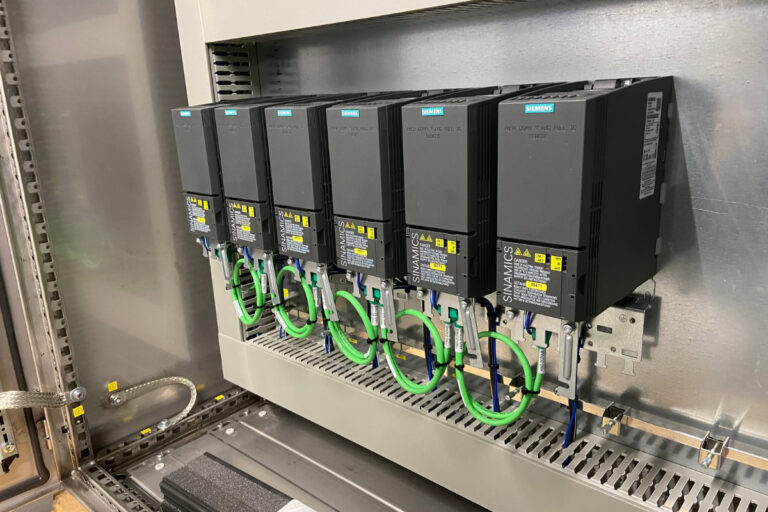
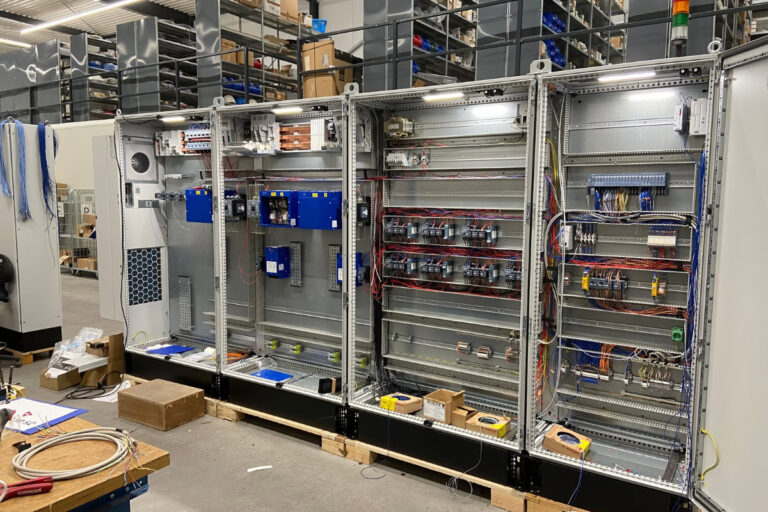
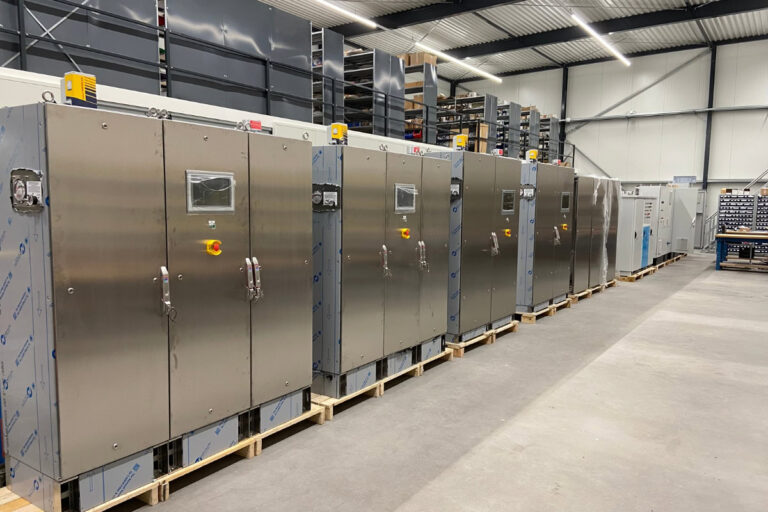
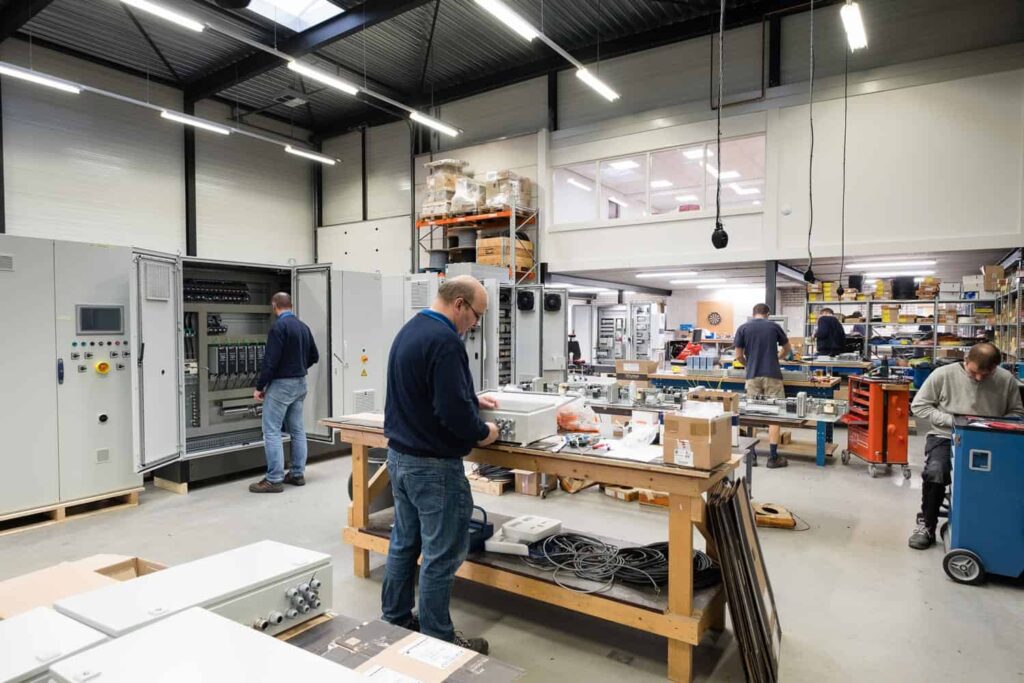
Kwadrant IA as a partner for machine safety in control cabinets
Kwadrant IA supports machine builders and industrial companies in realizing machine safety in control cabinets according to PLd and PLe. Based on expertise in panel building, hardware and software engineering, safety functions are carefully integrated into the design of the control cabinet. We work according to standards such as EN ISO 13849-1, NEN-EN 60204-1 and NEN-EN 61439.
Through experience in sectors such as mechanical engineering, logistics and food, Kwadrant IA delivers solutions that fit a variety of risk levels and applications. From engineering and panel building to testing and commissioning, the electrical engineering process is carried out in a controlled manner. Contact us for substantive advice on machine safety and the correct interpretation of PLd or PLe within your control cabinet.
Frequently asked questions about machine safety in control cabinets
What is the difference between PLd and PLe?
PLd and PLe indicate the required Performance Level of a safety function. PLe represents a higher safety level than PLd and is applied when the risk of serious injury is greater. The difference is in the required reliability, fault detection and redundancy of the safety chain. The choice is determined on the basis of a risk analysis according to EN ISO 13849-1.
When is PLd sufficient and when is PLe needed?
PLd is often sufficient in machinery with limited but present risk, where exposure is not continuous. PLe is required in high-risk applications, such as fast-moving or powerful machinery where serious injury may occur. The exact requirement follows from the risk assessment and the identified safety function.
What role do safety relays play in machine safety?
Safety relays monitor safety functions such as emergency stop circuits, light curtains and door locks. They check that signals run correctly and safely shut down the machine in the event of a fault. Depending on the required Performance Level, single or redundant safety relays are used.
How are safety functions tested and validated?
After engineering and panel construction, safety functions are functionally tested. This is done during a Factory Acceptance Test and later at the Site Acceptance Test. This involves checking that emergency stop circuits, fault detection and reset functions work correctly and meet the designed Performance Level.
What does machine safety mean for CE marking?
Machine safety is an essential part of the CE process. Safety functions in the control cabinet must be consistent with the machine’s risk analysis and properly documented. Although CE marking remains the responsibility of the machine builder, a properly designed control cabinet supports demonstrable compliance with the Machinery Directive.
