
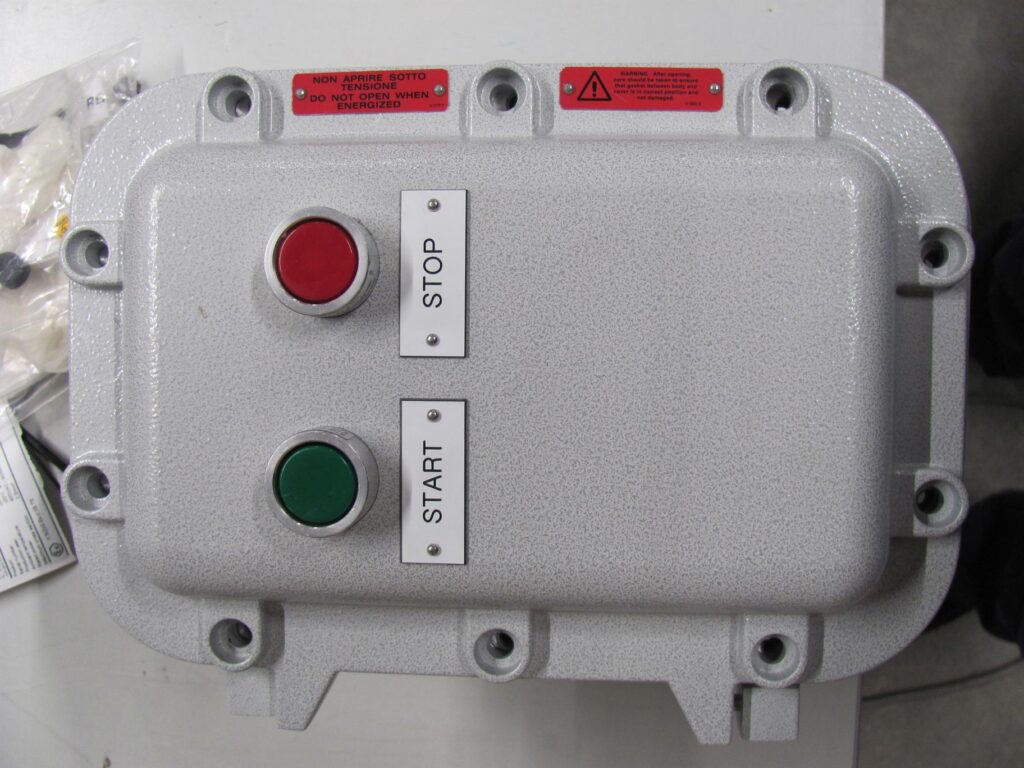
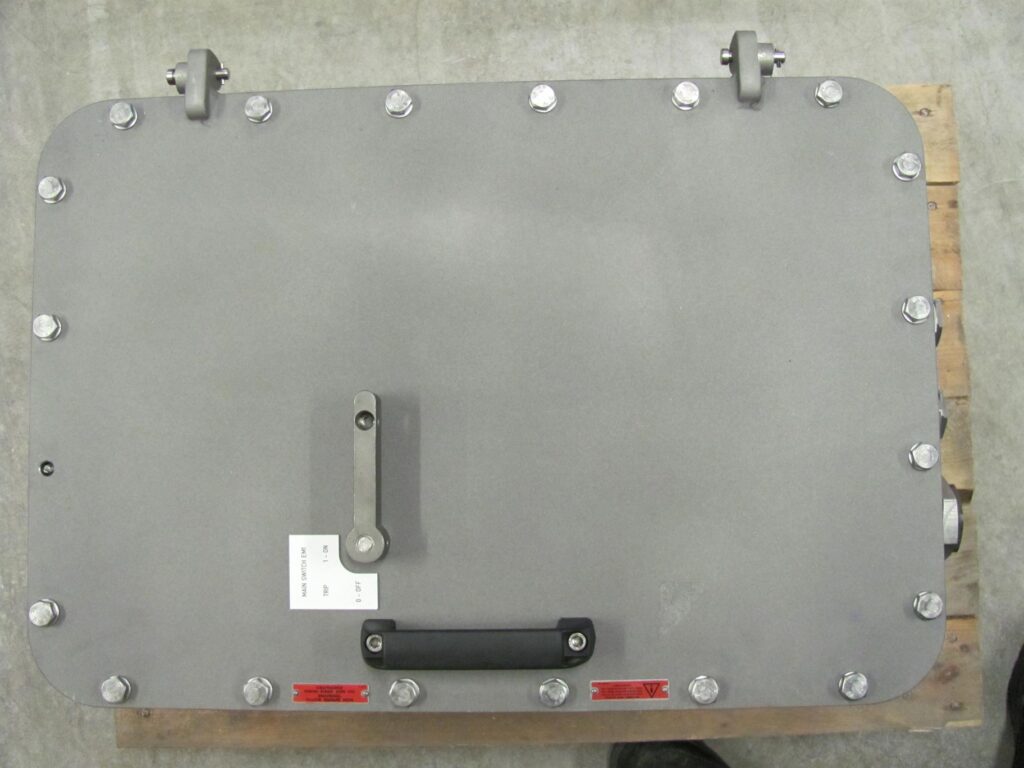
ATEX zone 1 vs. zone 2: what does it mean for your control cabinet?
Within industrial environments where explosion hazards are present, ATEX zones are often used. Yet in practice we see that the difference between zone 1 and
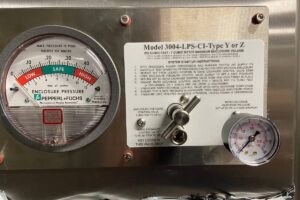
Overpressure in control cabinets: 5 common mistakes
In many industrial facilities, overpressure is used in a control cabinet to prevent contamination, moisture and harmful external influences. Consider environments with dust, vapors or
When is a purge system mandatory?
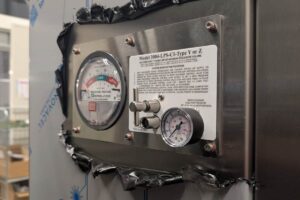
In industrial environments where explosion hazards are present, overpressure in switchboards is often discussed. In practice, confusion frequently arises here: when is standard overpressure sufficient,
Gerbin Control continues under the name Quadrant Industrial Automation
Since March 1, 2026 Gerbin Control will continue under the name Quadrant Industrial Automation. With this name change, our name and image are more in

From panel to platform: how IoT and control cabinets provide real-time machine insight
In the world of industrial automation, control cabinets are the backbone of efficient and effective production processes. At Kwadrant IA, we understand the critical role

Predictive maintenance in control panels: increasing data-driven reliability
The world of industrial automation is all about continuity and reliability. Unplanned machine downtime can lead to high maintenance costs, lost production and reduced product