
Wiring according to NFPA 79 in control panels
- Export-ready wiring
- UL & NFPA compliant
- Less chance of rejection
NFPA 79 wiring in control panels for export.
Anyone wishing to export machinery or control cabinets to the United States or Canada will have to deal with NFPA 79 wiring. This American standard determines how electrical wiring in machines should be carried out and is an important supplement to UL 508A. Where European guidelines such as NEN-EN 60204-1 are leading, North America has different requirements for wire colors, cable types and protection. Failure to comply with NFPA 79 can result in inspection rejection, project delays and additional costs. Therefore, it is essential for engineers and buyers to include this standard in panel construction from the design phase.
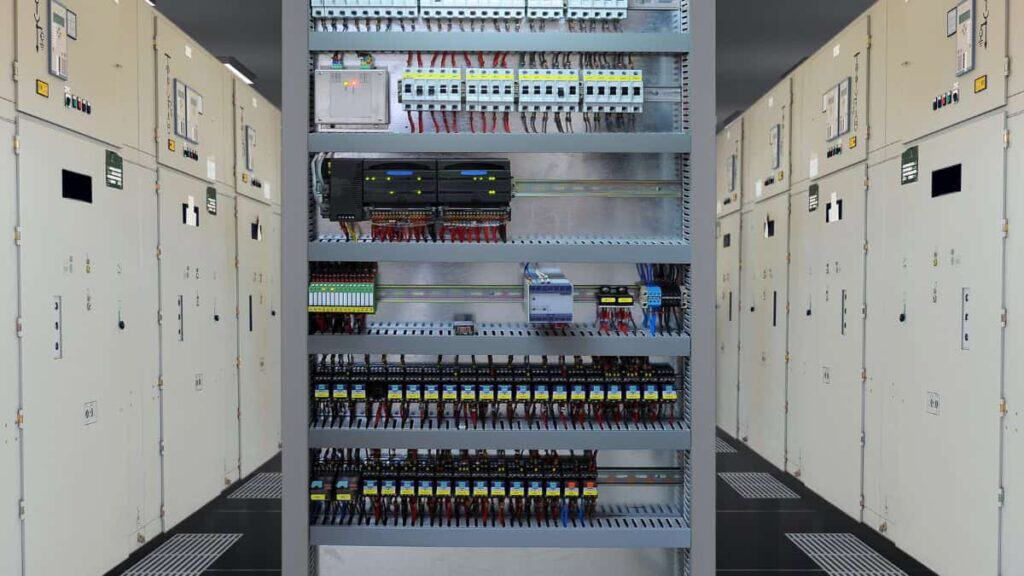
Panel Building Pioneers for Mechanical Engineering
With the precision of a watchmaker and the agility of an acrobat, Kwadrant IA is committed to creating custom electrical panels for mechanical engineering. As a resilient player in panel building, we move quickly without sacrificing quality or durability. Step into our world of innovation and discover how we can take your mechanical engineering projects to the next level.
What is NFPA 79 wiring
NFPA 79 is an American standard that describes the electrical equipment of industrial machinery. Whereas in Europe NEN-EN 60204-1 is the starting point, NFPA 79 specifies how wiring, cable types and protective devices should be implemented for machines used in the United States and Canada. The standard was developed by the National Fire Protection Association and aligns closely with UL 508A’s requirements for control panels. Together, these guidelines ensure that machines are safe and meet the inspections of local authorities and insurance companies in North America.
NFPA 79 focuses specifically on the wiring of control cabinets and control systems. This means that engineers and panel builders must consider issues such as wire colors, minimum insulation classes and appropriate protections as early as the design stage. For exporting companies, knowledge of NFPA 79 is indispensable, as a panel often cannot be commissioned without this compliance.
Important standards and guidelines
NFPA 79 in practice
Standard NFPA 79 contains specific requirements for wiring of machines and panels. For example, it requires that certain colors be mandatory for grounding wires and that a distinction be made between AC and DC circuits. Also, cables used must be UL-listed and withstand appropriate temperature and voltage ratings. In addition, NFPA 79 emphasizes proper fuses, overcurrent protection devices and switches that ensure safe installation.
For many companies accustomed to working with the European NEN 60204-1, this means an adjustment to their standard operating procedure. By wiring and component selection directly in accordance with NFPA 79, problems in the final inspection are avoided.
Comparison with NEN 60204-1
Although NFPA 79 and NEN 60204-1 both deal with electrical equipment on machinery, they differ in details. For example, NFPA 79 prescribes different wire color codes, and requirements for cable insulation and guards may be more stringent. Whereas NEN 60204-1 focuses primarily on safety in a European context, NFPA 79 aligns with U.S. practice and UL inspections. So for exporting machine builders, it is crucial to understand both standards and incorporate them into their design.
CONTACT US
Applications in industry
NFPA 79 applies to a variety of machines exported to North America. These include packaging lines, production machines for the food industry, robotic systems in logistics and machines in the petrochemical industry. In all of these industries, inspections take a strict look at wiring and documentation of switchgear.
For a machine builder, this means not only choosing the right hardware when setting up the control system, but also ensuring that wiring and protections are fully NFPA 79 compliant. A properly done control cabinet can then pass local inspections without a problem, ensuring quick commissioning by the end customer.
Benefits of NFPA 79 wiring
Working according to NFPA 79 offers distinct advantages. First, it increases the likelihood that an installation will be approved in one go when inspected in the U.S. or Canada. That avoids delays and unexpected costs for modifications. In addition, the standard gives assurance to end users: they know that their machine meets the safety requirements that are enforced locally.
An additional benefit is consistency. Because NFPA 79 provides clear regulations for wiring and protection, it creates a uniform method of operation. This is valuable for maintenance and service teams because they can quickly recognize which cables have which function and how protections are set up.
Finally, NFPA 79 ensures that documentation is unambiguous and complete. Upon delivery, not only must the panel be compliant, but wiring diagrams, component lists and test documents must also be available. This makes managing the installation easier and more transparent.
The process from design to commissioning
Compliance with NFPA 79 starts with design. In tools such as EPLAN P8, schematics and wiring are defined according to appropriate standards. During hardware engineering, components are verified to be UL-listed and cables meet temperature and voltage requirements.
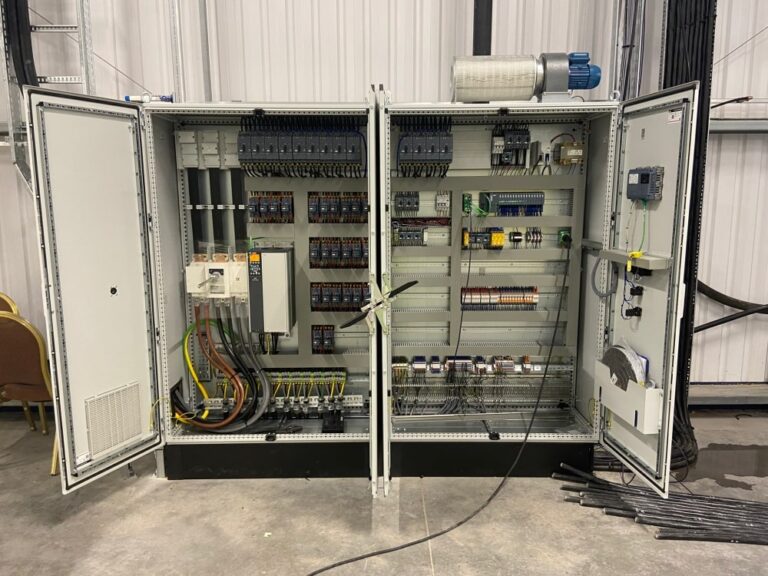
In the construction phase, wiring and protective devices are done according to the guidelines of NFPA 79. This means that color coding must be correctly applied and all circuits are equipped with the proper fuses and switches.
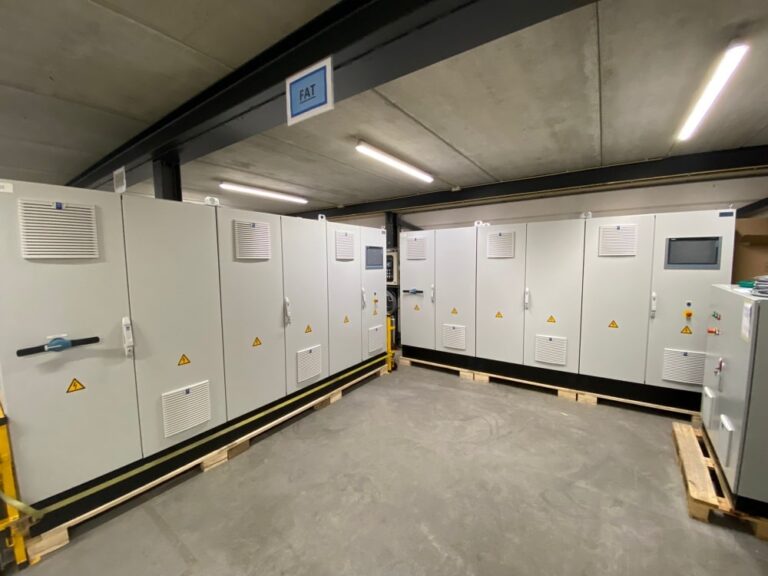
Next, the testing phase takes place. The Factory Acceptance Test (FAT) checks in the Netherlands that the panel meets the requirements and functions correctly. After installation at the customer’s site in North America, the Site Acceptance Test (SAT) follows to confirm that the installation is safe and reliable in practice.
This process ensures that the panel is not only technically built correctly, but also meets the requirements of the U.S. market. The end result is an installation that can be commissioned without obstacles and immediately meets the expectations of the customer and local regulators.
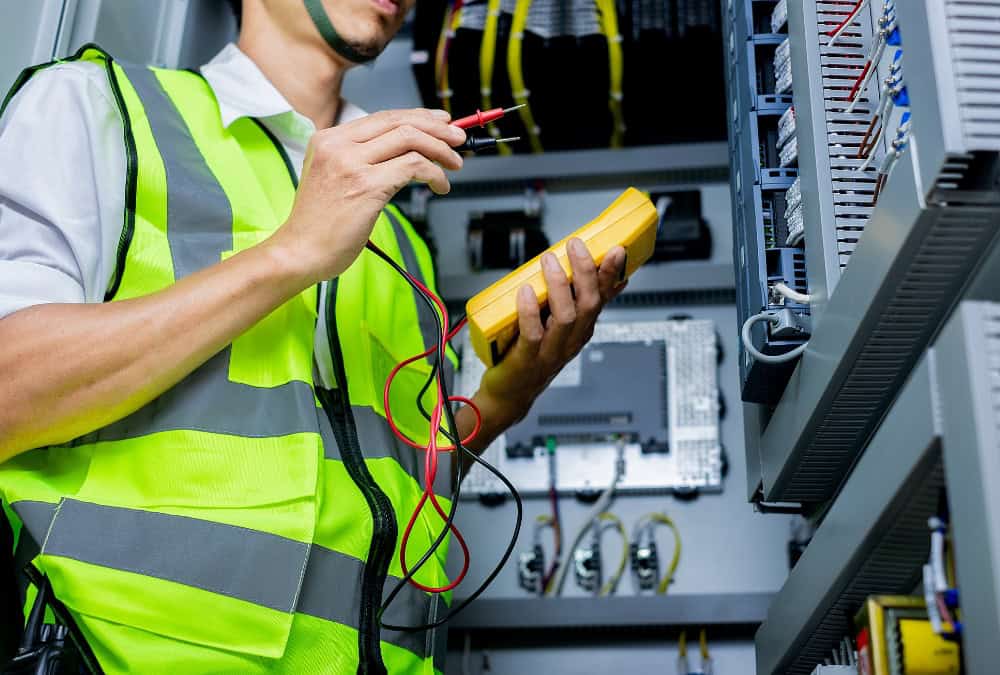
Years of experience in the field of industrial automation
Industrial automation with international standards
Industrial automation requires more than just a correctly constructed panel. We start with the architecture of the system and make conscious choices in component selection, standardization and scalability. By fully mastering engineering, panel construction and integration, we realize control systems that perform reliably in demanding industrial environments. From modular construction to international compliance, every detail is focused on quality, longevity and manageable Total Cost of Ownership.
We do not build standard solutions, but technically sound systems that match the complexity of modern mechanical engineering.
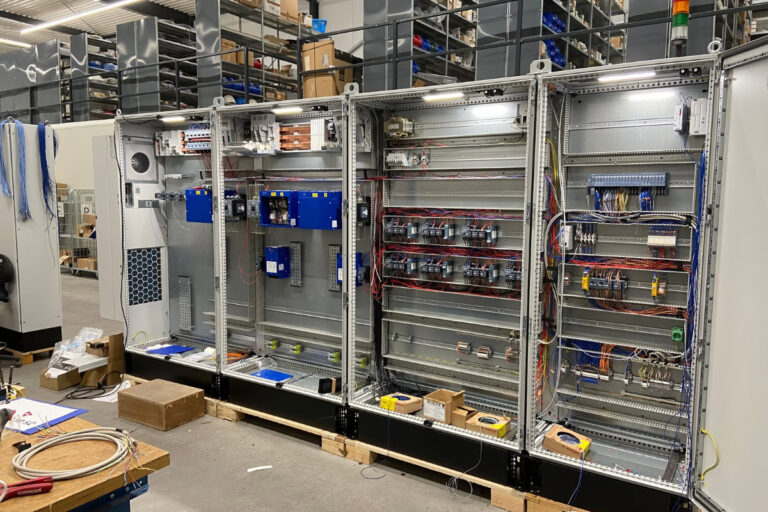
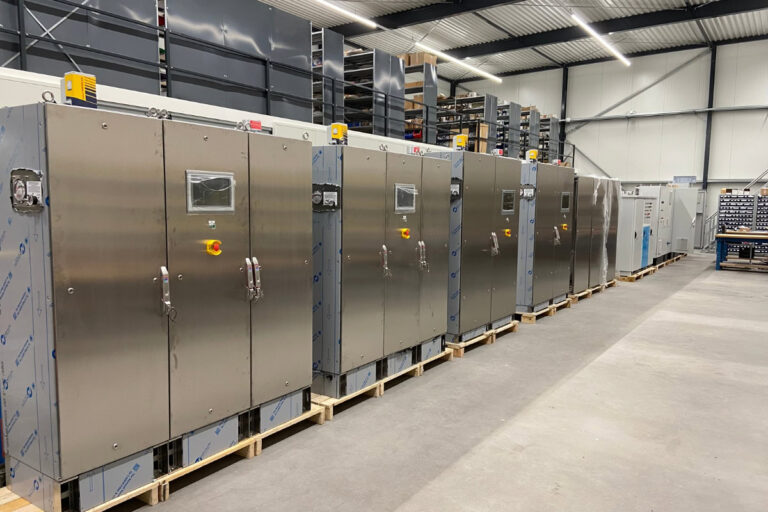

Kwadrant IA as your partner for NFPA 79 wiring
The correct application of NFPA 79 wiring is essential for companies wishing to export machinery and control cabinets to North America. The standard provides clear requirements for wiring, cable types and protections, ensuring that installations operate safely and reliably according to local laws. For many organizations, however, it is challenging to properly translate all the details into the design and construction process of their control panels.
Kwadrant IA has the expertise and experience to make this translation. As a specialist in panel building, we combine our knowledge of international standards with a structured approach: from hardware engineering in EPLAN, to choosing UL-listed components, to performing FAT and SAT to ensure quality. In doing so, we take into account both European directives (NEN 60204-1, NEN 61439) and American standards (NFPA 79 and UL 508A).
By working with Kwadrant IA, you are assured of control panels that are delivered fully compliant with the requirements of the U.S. market. This will prevent rejection during inspections, save you valuable time and ensure a safe and export-ready solution.
Contact us today for advice or a no-obligation discussion about your project.
Frequently asked questions about NFPA 79 wiring
What wire colors does NFPA 79 require?
NFPA 79 prescribes specific color codings that differ from European NEN 60204-1. For example, green or green/yellow should always be used for ground wires, while AC circuits and DC circuits each have their own fixed colors. The purpose of this coding is to make maintenance and inspection safer and easier.
What is the difference between NFPA 79 and NEN 60204-1?
Although both standards cover electrical equipment on machinery, the details differ. NEN 60204-1 is the European standard, while NFPA 79 specifically addresses U.S. practice. Differences are in wire color, cable insulation and documentation requirements. For exports to the U.S. or Canada, compliance with NFPA 79 is crucial.
Is NFPA 79 mandatory when exporting to the U.S.?
Yes, NFPA 79 is mandatory when exporting machinery and control panels to the United States and Canada. On-site inspections explicitly look to see if wiring and protective devices conform to this standard. Without NFPA 79-compliant wiring, an installation can be rejected and not put into service.
What cable types are used in NFPA 79 panels?
NFPA 79 requires cables to be UL-listed and meet specific voltage and temperature ratings. These are often cables with a higher insulation rating than is common in Europe. This ensures that the wiring can withstand the stresses and conditions common in North American installations.
How does NFPA 79 prevent inspection rejection?
By implementing wiring and protective devices strictly in accordance with NFPA 79, you significantly reduce the chances of rejection. This applies not only to wire color and cable type, but also to proper fuses, labeling and documentation. A cabinet built in accordance with NFPA 79 from the design stage will pass inspections faster and can be put into service immediately.
