
IEC 62443 industrial cybersecurity for OT
- Secure OT architecture
- Clear segmentation
- Manageable remote access
IEC 62443 as a foundation for secure OT networks in industrial automation
IEC 62443 industrial cybersecurity for OT is playing an increasing role within industrial automation. Production environments, machines and infrastructure are more often linked to IT networks and remote access, making OT cybersecurity no longer an afterthought. The IEC 62443 directive provides a structured framework for designing, segmenting and managing industrial networks securely without compromising process reliability.
In this context, it is about managing risks within OT environments such as PLC networks, HMI systems and industrial communications. Including security from the design stage creates a robust foundation for safe operation, maintenance and expansion of installations.
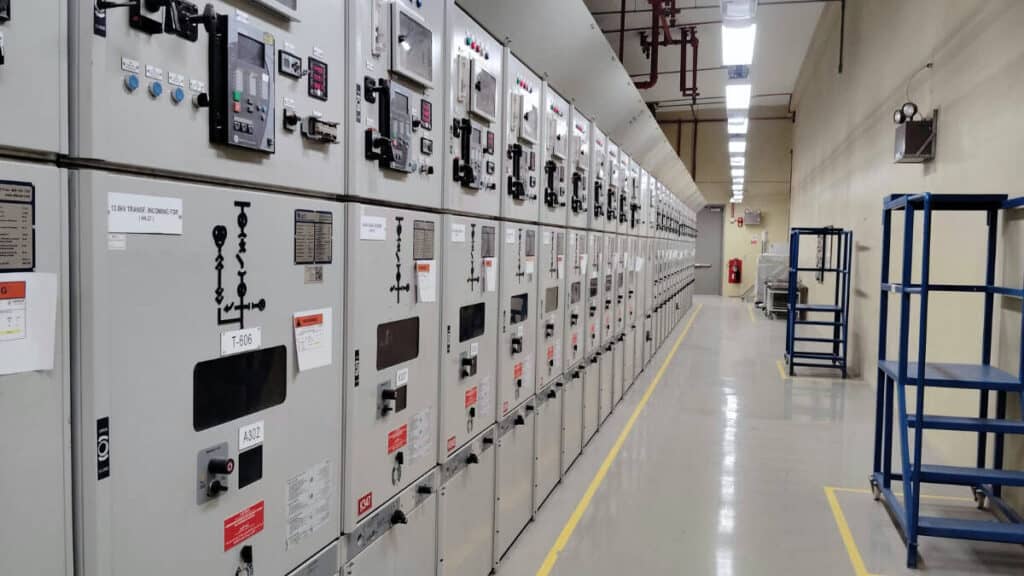
Panel Building Pioneers for Mechanical Engineering
With the precision of a watchmaker and the agility of an acrobat, Kwadrant IA is committed to creating custom electrical panels for mechanical engineering. As a resilient player in panel building, we move quickly without sacrificing quality or durability. Step into our world of innovation and discover how we can take your mechanical engineering projects to the next level.
What is IEC 62443 industrial cybersecurity for OT
IEC 62443 industrial cybersecurity for OT is an international standard series that focuses on securing industrial automation and control systems. Unlike IT security, the focus here is on availability, reliability and safety of processes. OT environments such as PLCs, HMIs, SCADA systems and industrial networks require a different approach than office automation.
The standard describes how industrial systems can be structured with clear network zones and controlled connections. This reduces risks such as unauthorized access, process disruption and unwanted lateral movement in networks.
Important standards and guidelines
IEC 62443
IEC 62443 is used as a guideline for the design, implementation and management of OT cybersecurity. The standard consists of several sections that address policy, system architecture and technical measures. Within projects, IEC 62443 is often used as a framework for network segmentation, secure remote access and component-level security measures.
Relationship to industrial automation
Within OT environments, IEC 62443 aligns with existing standards and practices such as:
- IEC 61131-3 for PLC software
- ISA-88 for process and batch structures
- Industrial communication via Profinet, Modbus TCP and OPC UA
This combination provides a cohesive approach in which functionality and security reinforce each other.
CONTACT US
Applications in industrial environments
IEC 62443 industrial cybersecurity for OT is applied in a variety of industries. Consider mechanical engineering, food, infrastructure and water management, petrochemicals and logistics. In all these environments, industrial networks are critical for continuity and security.
Typical applications are:
- Segmentation of machine and line networks.
- Separation between IT and OT
- Secure links to HMI and SCADA systems
- Secure remote access for maintenance and support
Industrial firewalls play a central role here by controlling and filtering traffic between zones based on predefined rules.
Benefits of IEC 62443 industrial cybersecurity for OT
Applying IEC 62443 principles offers clear benefits within industrial automation:
- Increased plant availability
- Better manageability of OT networks
- Reduced risk of interference and unwanted access
- Clear documentation of network structures and security measures
Structurally incorporating security into the design creates a future-proof OT architecture that is easier to maintain and expand.
The process from design to commissioning
Within OT projects, IEC 62443 is usually integrated into the existing engineering process. This starts with the design of the network architecture, defining zones, segmentation and communications. During hardware engineering, components are selected and worked out in tools such as EPLAN.
The realization phase follows the construction of panels and the configuration of industrial networks. During FAT and SAT, not only the functional operation is tested, but also the correct operation of network segmentation and secure remote access. In this way, cybersecurity becomes an integral part of delivery, without disrupting the production process.

Years of experience in the field of industrial automation
Industrial automation with international standards
Industrial automation requires more than just a correctly constructed panel. We start with the architecture of the system and make conscious choices in component selection, standardization and scalability. By fully mastering engineering, panel construction and integration, we realize control systems that perform reliably in demanding industrial environments. From modular construction to international compliance, every detail is focused on quality, longevity and manageable Total Cost of Ownership.
We do not build standard solutions, but technically sound systems that match the complexity of modern mechanical engineering.
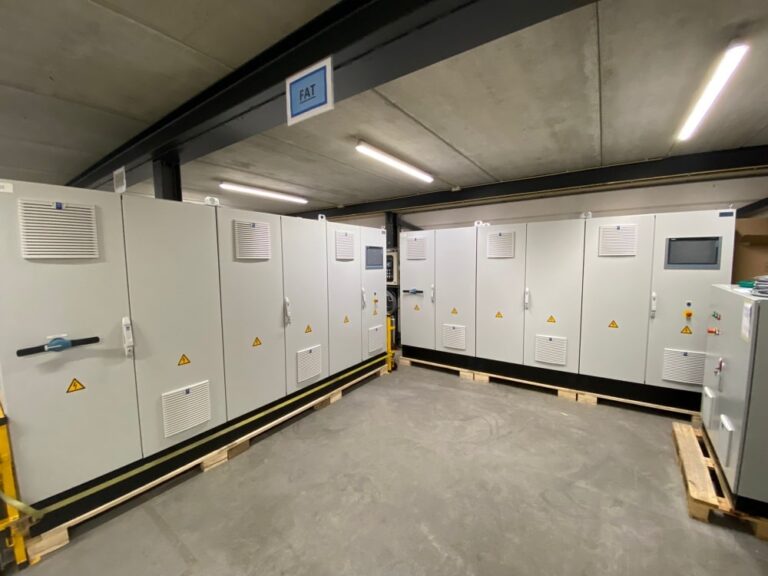
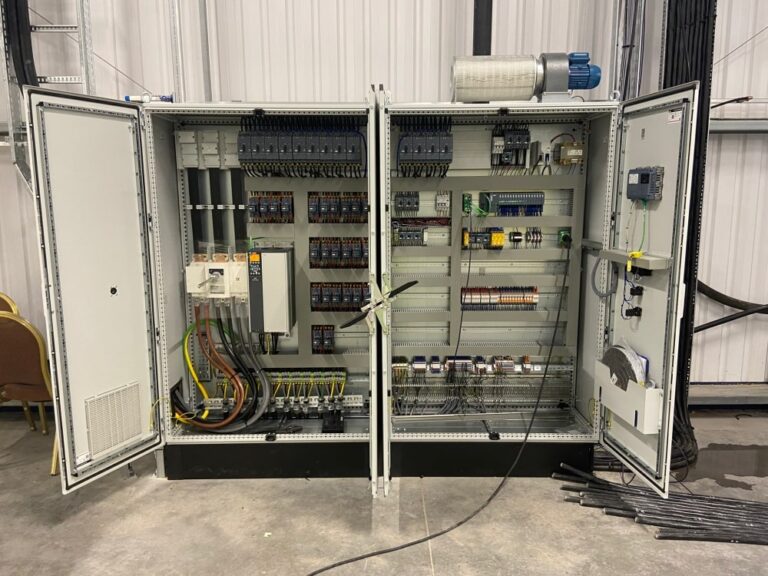
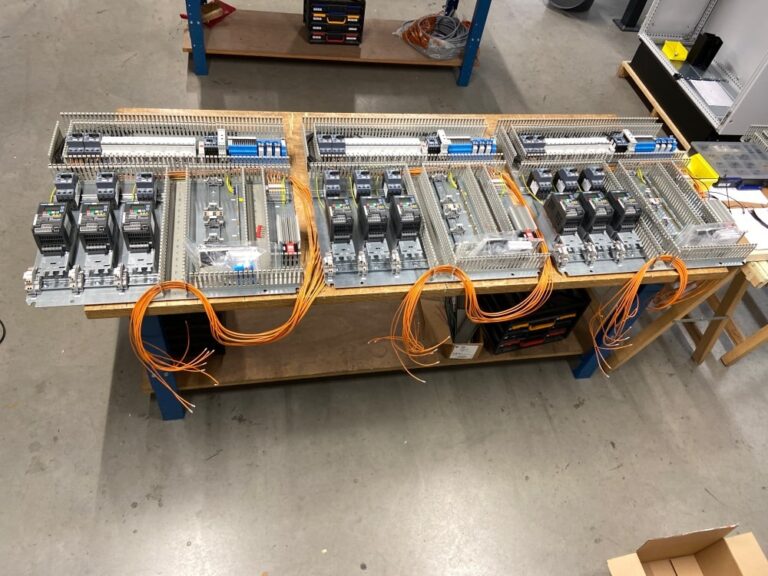
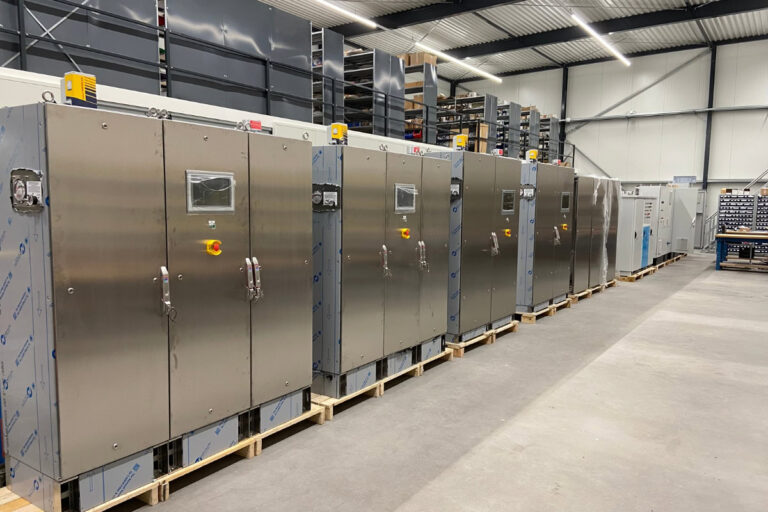
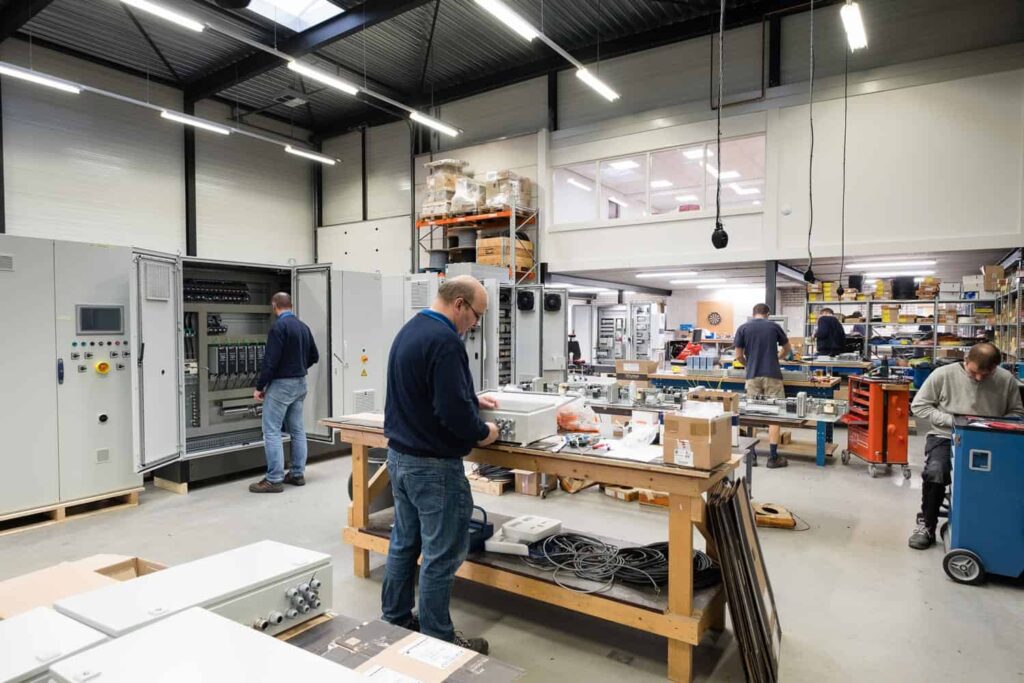
Kwadrant IA as partner for IEC 62443 industrial cybersecurity for OT
Kwadrant IA supports companies in applying IEC 62443 industrial cybersecurity for OT within industrial automation. From their expertise in panel building, hardware engineering and software engineering, they help design and realize orderly and secure OT networks. Thereby cybersecurity is included as part of the overall design, fitting within the applicable standards and guidelines.
With experience in mechanical engineering, infra and water management and process industry, among others, the approach caters to diverse applications. Panel construction according to NEN-EN 61439 and UL 508A, well thought-out network structures and careful commissioning provide a reliable basis. Would you like to know how IEC 62443 can be practically applied within your installation? Then contact Kwadrant IA for advice or a substantive introduction.
Frequently asked questions about IEC 62443 industrial cybersecurity for OT
Specifically, what does IEC 62443 require for industrial networking and remote access?
IEC 62443 calls for a structured approach to securing industrial networks. This means dividing OT systems into zones, connecting these zones in a controlled manner via conduits and applying security measures such as industrial firewalls. For remote access, the emphasis is on controlled access, clear user rights and limiting connections to what is functionally necessary.
What is the difference between IT security and OT cybersecurity?
IT security focuses primarily on confidentiality and data security, while OT cybersecurity is about availability and reliability of processes. In OT environments, disruptions can directly affect production and safety. IEC 62443 takes these differences into account and provides guidelines that are better suited to industrial automation than traditional IT standards.
When is IEC 62443 relevant to industrial automation?
IEC 62443 is relevant as soon as industrial systems are connected to other networks or require external access. This applies, for example, to mechanical engineering, process plants, infra and water management. Even with new installations or renovations, it makes sense to use IEC 62443 as a design framework so that cybersecurity is integrated from the start.
What role does network segmentation play within IEC 62443?
Network segmentation is a core principle within IEC 62443. Logically separating systems into zones prevents a failure or security incident from spreading throughout the network. Segmentation makes OT networks clearer, more manageable and easier to test during FAT and SAT.
How is OT cybersecurity tested during FAT and SAT?
During FAT and SAT, in addition to functional operation, the design of the network is also examined. This involves checking whether segmentation is set up correctly, communication only takes place via permitted paths and remote access functions as designed. This establishes that the OT architecture not only works, but also conforms to the principles of IEC 62443.
