
Modular control cabinets for mechanical engineering
- Scalable structure
- Rapid engineering
- Consistent quality
Scalable machine control with modular cabinet design
Modular control cabinets for mechanical engineering provide a flexible and scalable basis for modern machine control. Dividing control functions into reusable modules creates a modular control cabinet that can be easily adapted to different machine variants. This principle supports scalable machine control and reduces engineering and lead times. In mechanical engineering, where series, options and customer-specific configurations alternate, modular design provides overview and consistency. Panel building modules make it possible to build functionality in a structured way, without sacrificing reliability or standard conformity.
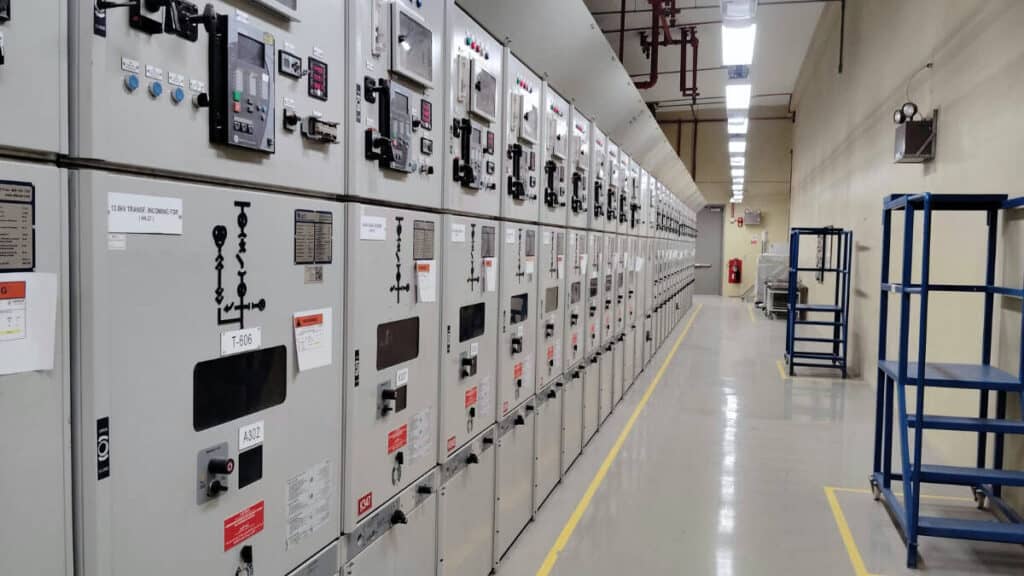
Panel Building Pioneers for Mechanical Engineering
With the precision of a watchmaker and the agility of an acrobat, Kwadrant IA is committed to creating custom electrical panels for mechanical engineering. As a resilient player in panel building, we move quickly without sacrificing quality or durability. Step into our world of innovation and discover how we can take your mechanical engineering projects to the next level.
What are modular control cabinets for mechanical engineering
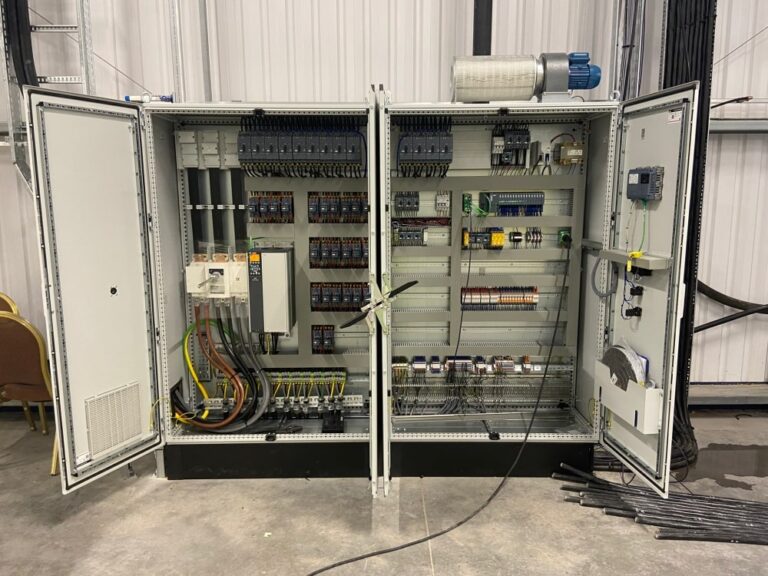
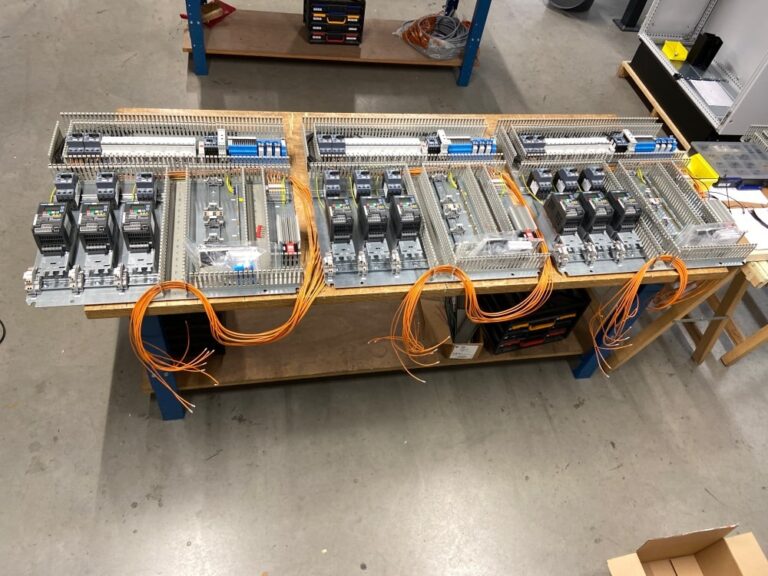
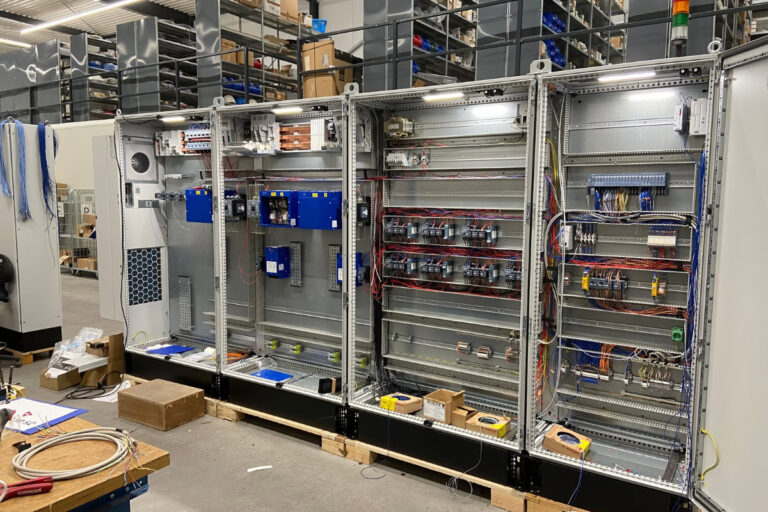
Modular control cabinets for mechanical engineering are made up of individual, functional modules that make up the complete machine control system. Think of modules for power, control, safety and communication. This division creates a modular control cabinet that can be easily modified or expanded. This fits well with scalable machine control, where machines are delivered in different configurations without having to recreate the entire design each time.
Important standards and guidelines
NEN-EN 61439
NEN-EN 61439 applies to the construction of low-voltage switching and distribution devices. For modular control cabinets, this means that each module and the total assembly must meet requirements for thermal load, short-circuit resistance and mechanical construction. This contributes to reliable and reproducible panel construction.
NEN-EN 60204-1 and NEN 1010
NEN-EN 60204-1 describes the requirements for electrical equipment of machinery, including emergency stop devices, wiring and testing. NEN 1010 is relevant for control cabinet installation and connection. Together, these standards ensure safe and consistent application of modular panel building modules within machines.
CONTACT US
Applications in industry
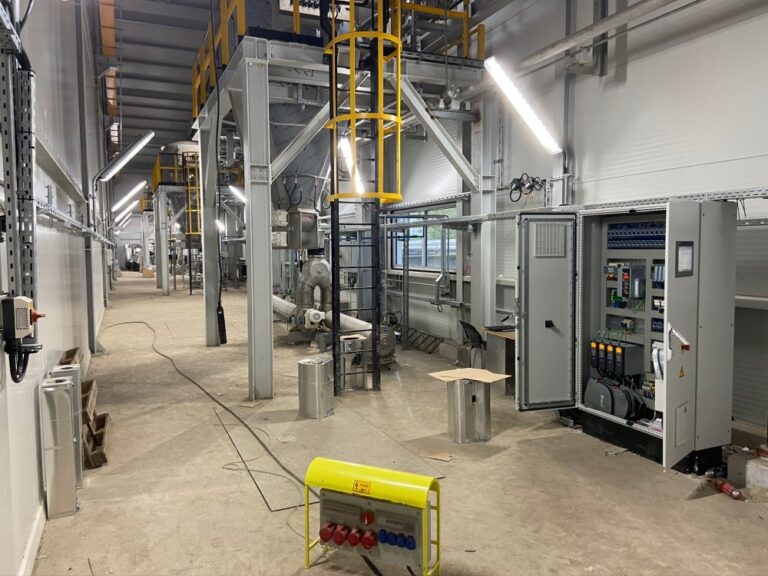
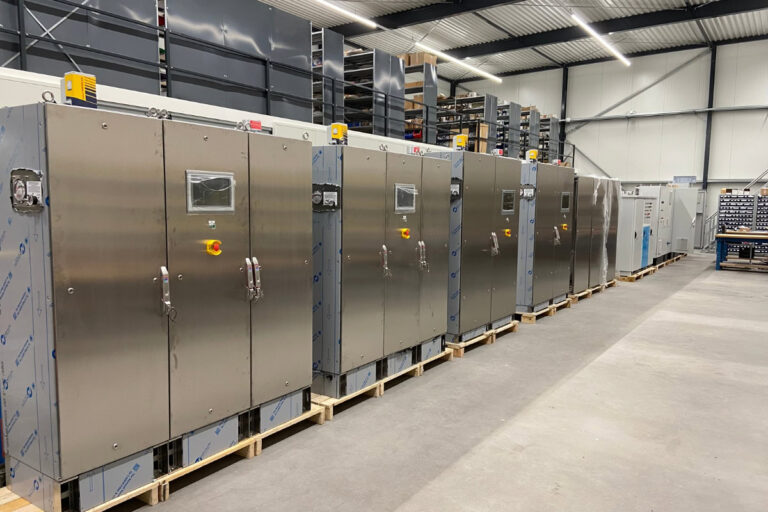
Modular control cabinets are widely used in mechanical engineering, especially in series production and machines with variants. Applications include packaging machines, robotic systems, weighing and dosing systems and bulk handling. Modular design allows functionality to be added or omitted for each machine, while keeping the basics the same. This simplifies engineering, assembly and maintenance.
Advantages of modular control cabinets for mechanical engineering
- Faster engineering by reusing modules
- Simple expansion or modification of machines
- Consistent quality in series production
- Clear documentation and cabling
These advantages make modular control cabinets suitable for both series construction and customer-specific machines.
The process from design to commissioning
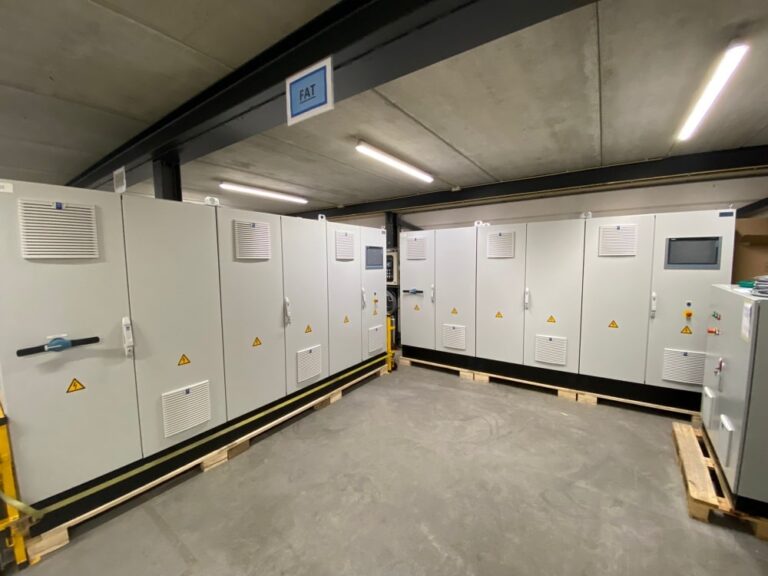
The process starts with defining standard modules and interfaces. During engineering, schematics are set up modularly in EPLAN so that reuse is possible. After panel construction, modules are tested individually and assembled into a single control cabinet. A Factory Acceptance Test verifies the operation of the complete machine control. During on-site commissioning, a Site Acceptance Test follows to confirm that the modular control cabinet functions correctly within the machine.
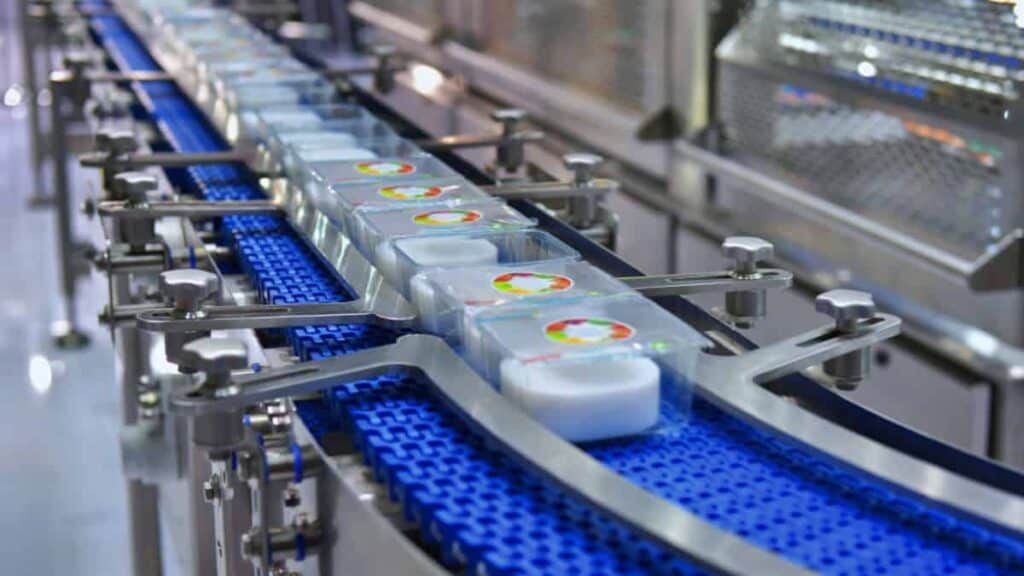
Years of experience in the field of industrial automation
Industrial automation with international standards
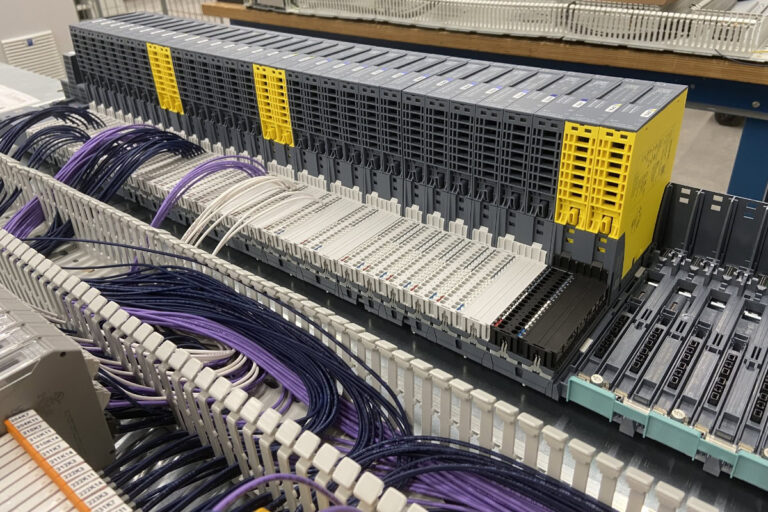
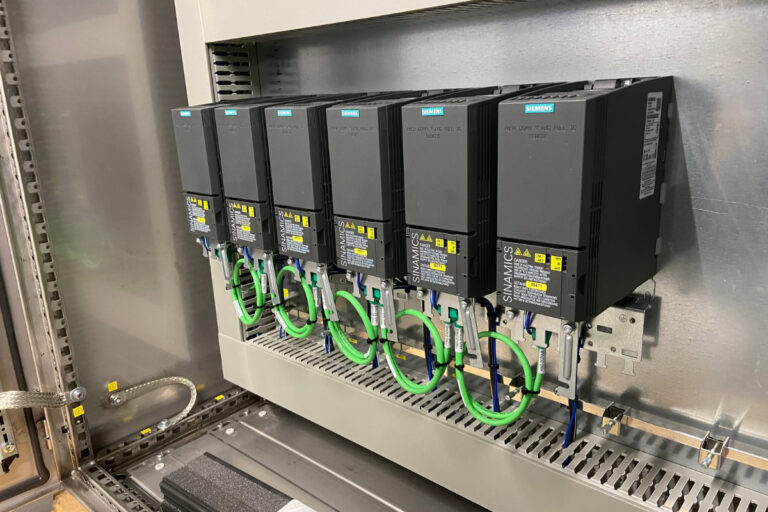
Industrial automation requires more than just a correctly constructed panel. We start with the architecture of the system and make conscious choices in component selection, standardization and scalability. By fully mastering engineering, panel construction and integration, we realize control systems that perform reliably in demanding industrial environments. From modular construction to international compliance, every detail is focused on quality, longevity and manageable Total Cost of Ownership.
We do not build standard solutions, but technically sound systems that match the complexity of modern mechanical engineering.
Kwadrant IA as a partner for modular control cabinets
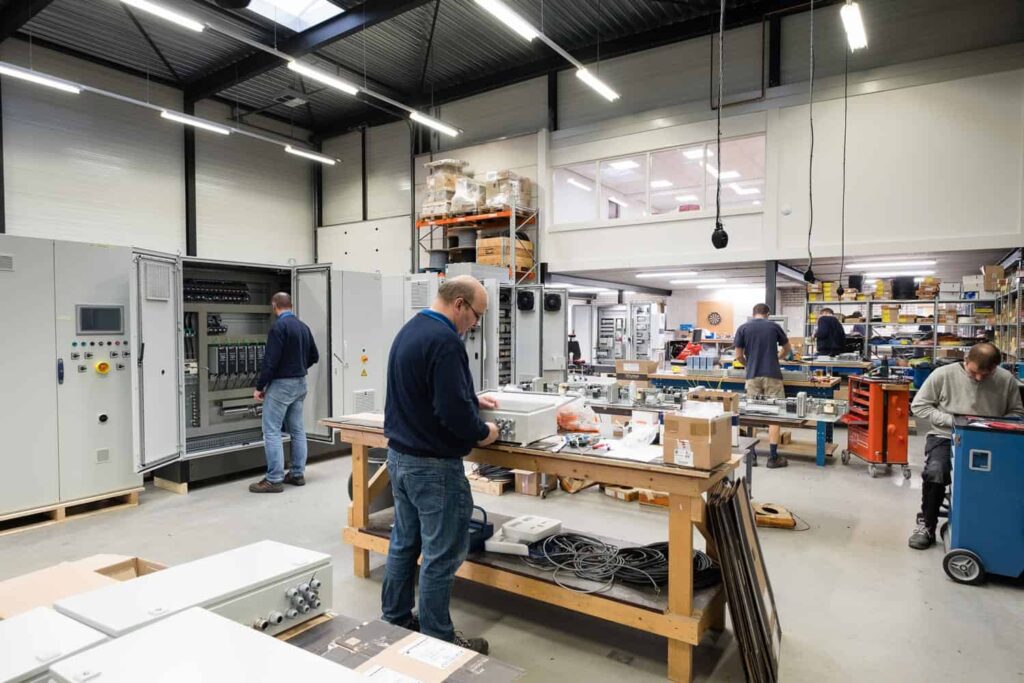
Kwadrant IA supports machine builders in the design and realization of modular control cabinets that fit within serial and scalable machine concepts. With expertise in panel building, hardware and software engineering, control solutions are developed in which modularity and norm compliance come together. We work in accordance with NEN-EN 61439 for the cabinet structure and NEN-EN 60204-1 for the electrical equipment of machines.
Through experience within sectors such as mechanical engineering, logistics and robotics, Kwadrant IA supplies modular panel building modules that are practically applicable and can easily grow with machine variants. From engineering and construction to testing and commissioning, the electrical engineering process is carefully carried out. Contact us for substantive advice on modular control cabinets within your machine building project.
Frequently asked questions about modular control cabinets
What are the advantages of modular control cabinets?
Modular control cabinets offer flexibility and scalability within mechanical engineering. Dividing functions into fixed modules allows for faster design and construction. This reduces lead times and ensures consistent quality in serial production. In addition, expansions or modifications are easier to implement without redesigning the entire system.
When is a modular control cabinet suitable for mechanical engineering?
A modular control cabinet is especially suitable when machines are built in variants or series. Modularity also offers advantages for machines that must be expandable in the future. The basics remain the same, while specific functions can be added or omitted for each machine.
What is the difference between modular panel construction and custom cabinets?
Modular panel construction involves working with predefined modules and interfaces. This ensures repeatability and speed. Custom cabinets are designed entirely per project and are less focused on reuse. In practice, both approaches are often combined.
How does modularity affect maintenance and management?
Modularity makes maintenance more manageable. Faults can be located faster because functions are grouped logically. Modules can be replaced or modified more easily, reducing downtime and simplifying management.
How are modular control cabinets tested?
Modular control cabinets are tested both module by module and in conjunction. The Factory Acceptance Test verifies that all modules work together correctly. Upon commissioning, a Site Acceptance Test follows to verify operation within the machine.
