
Control cabinet for robotic cells and cobots
- Safe robot control
- Flexible design
- Clear integration
Centralized control and safety within robotic cells and cobots
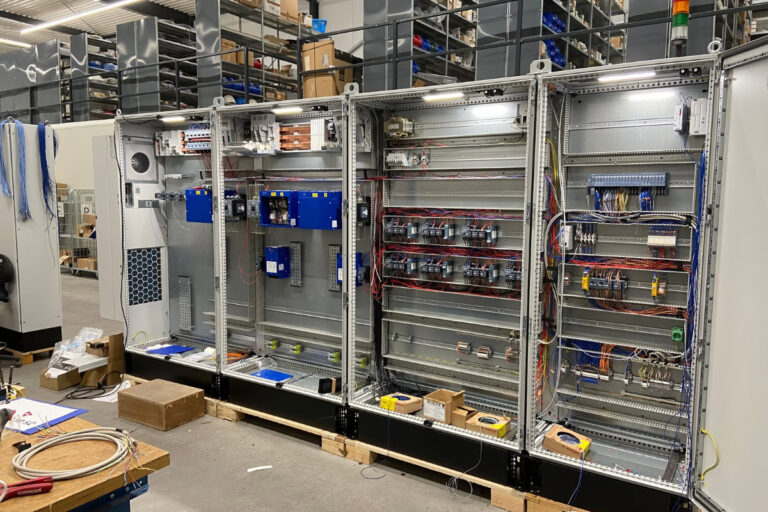
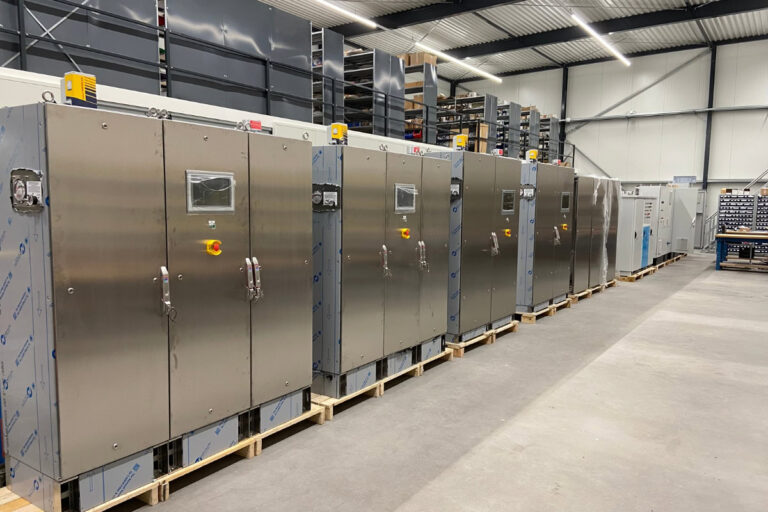
A control cabinet for robotic cells and cobots is the central point for control, safety and communication within automated production environments. In both classic robot cells and collaborative robot setups, control and safety come together in one convenient control cabinet. A well-designed control cabinet for robot cells supports safe robot control, reliable robot cell control and clear integration with upstream systems. Consideration of environment, safety functions and industrial communications creates a solution suitable for continuous operation and future expansion.
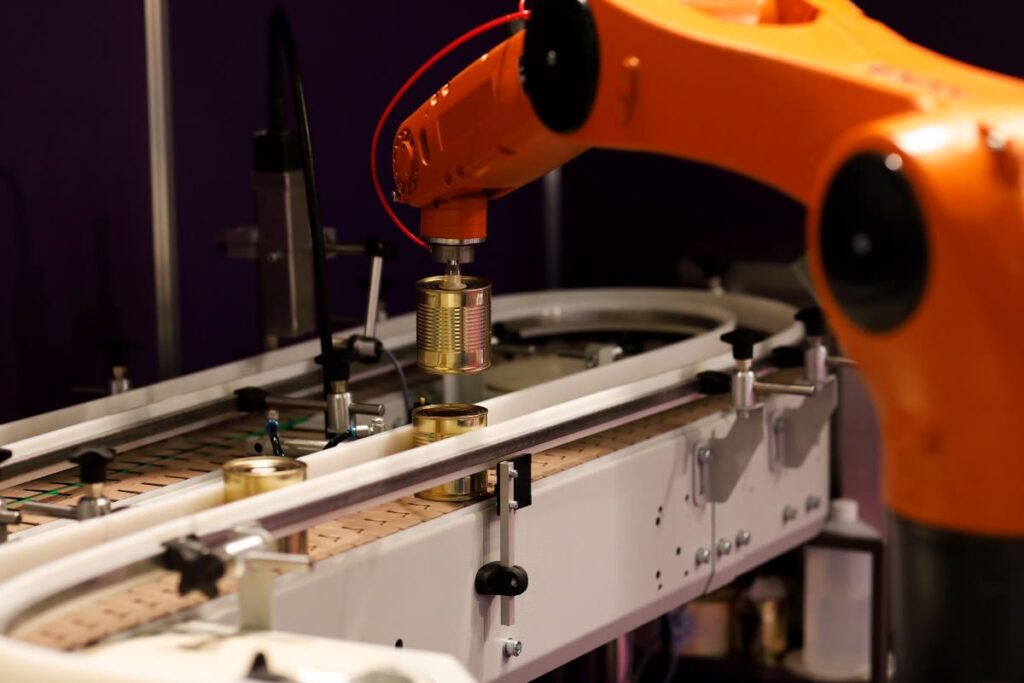
Panel Building Pioneers for Mechanical Engineering
With the precision of a watchmaker and the agility of an acrobat, Kwadrant IA is committed to creating custom electrical panels for mechanical engineering. As a resilient player in panel building, we move quickly without sacrificing quality or durability. Step into our world of innovation and discover how we can take your mechanical engineering projects to the next level.
What are control cabinets for robotic cells and cobots
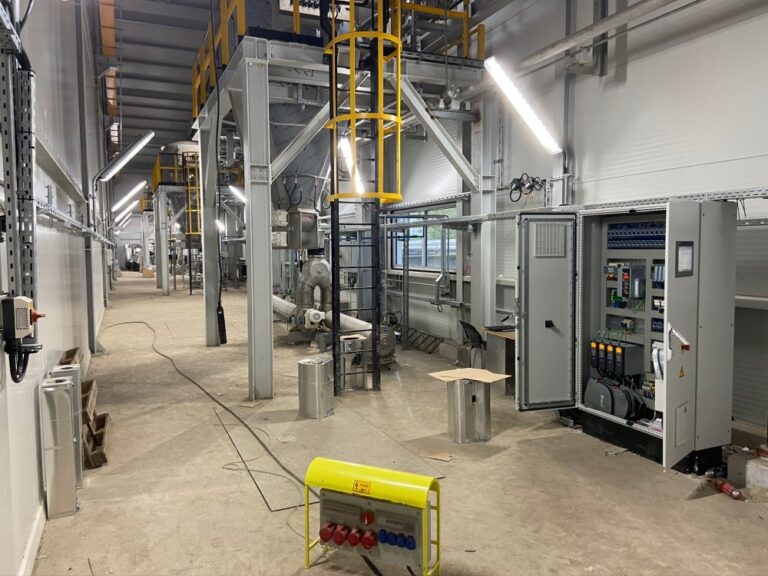
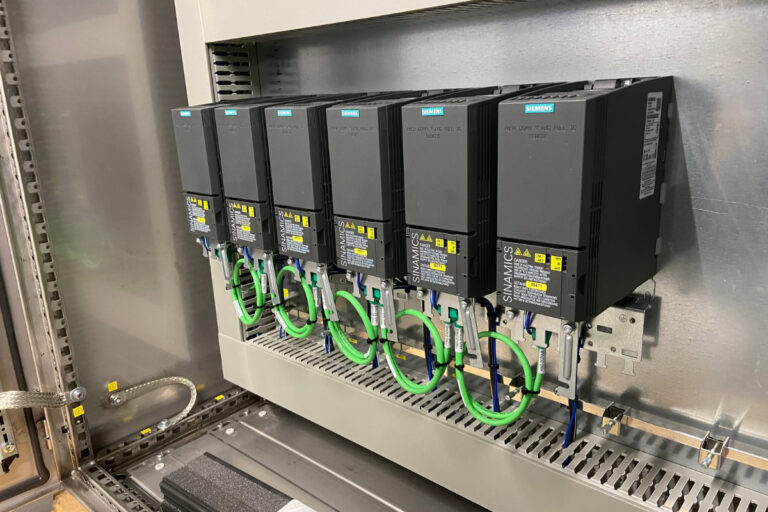
A bulk handling conveyor controller controls the drive and operation of conveyor systems that move large quantities of materials, such as grain, sand, ores or waste streams. Variable-frequency drives (VFDs) allow the speed to be precisely adjusted, improving flow control and reducing wear and tear on the system. The control panels often consist of rugged stainless steel or steel plate control cabinets that integrate the drive modules, PLCs and safety modules. For environments with dust explosion hazards, this can be combined with solutions conforming to ATEX 114.
Important standards and guidelines
EN ISO 10218 and ISO/TS 15066
EN ISO 10218 describes safety requirements for industrial robots and robotic systems. For collaborative applications, ISO/TS 15066 is relevant, which contains additional guidelines for safe cooperation between humans and robots. These standards define which safety functions should be included in the control cabinet and how they are technically realized.
EN ISO 13849-1 and NEN-EN 60204-1
Machine safety within robotic cells is elaborated according to EN ISO 13849-1, where Performance Levels are applied to safety functions. NEN-EN 60204-1 describes requirements for electrical equipment such as emergency stop devices, cabling and testing. For the construction of the control cabinet itself, NEN-EN 61439 applies.
CONTACT US
Applications in industry
Robotic cell control is widely used within sectors such as logistics, mechanical engineering, food and industrial automation. Applications range from pick-and-place and assembly to palletizing and welding processes. Cobot control cabinets are often used in flexible production lines where operators and robots work together. The control cabinet ensures safe and reliable integration within these diverse environments.
Benefits of control cabinets for robotic cells and cobots
- Reliable and safe robot control
- Clear separation between control and safety
- Flexible architecture for different robot brands
- Clear documentation and maintenance
Through thoughtful design, robotic systems remain manageable and easy to adjust.
The process from design to commissioning
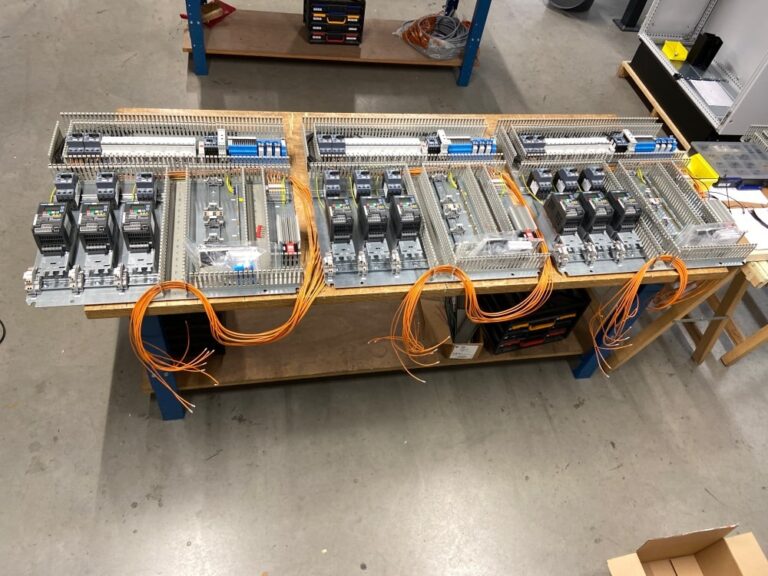
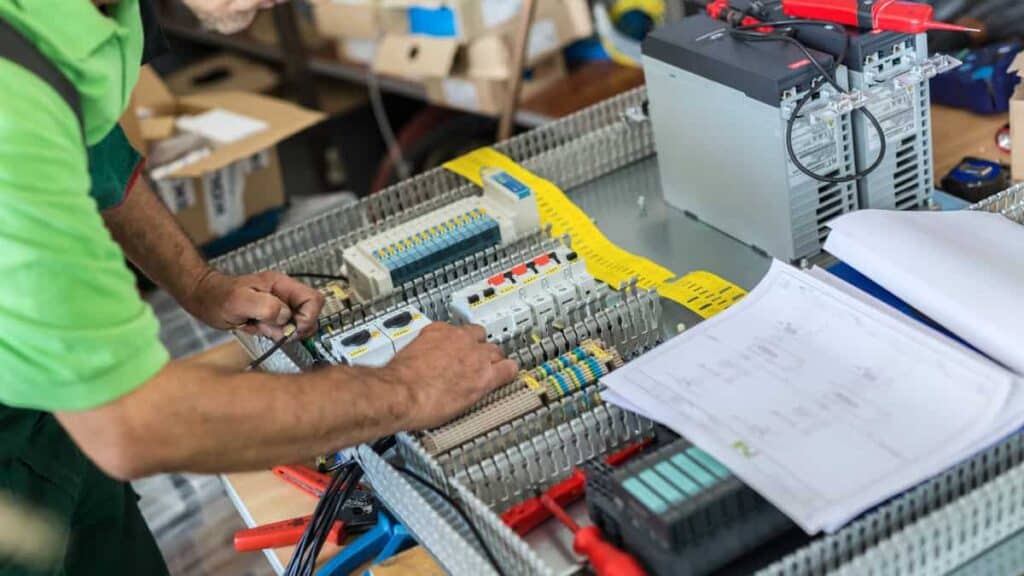
The process starts with the preparation of a safety concept and functional design. During engineering, schematics are worked out in EPLAN, including safety functions and communications. Panel construction is followed by functional testing and a Factory Acceptance Test. During commissioning on site, a Site Acceptance Test verifies that the robot cell and cobot setup function safely and correctly within the practical environment.
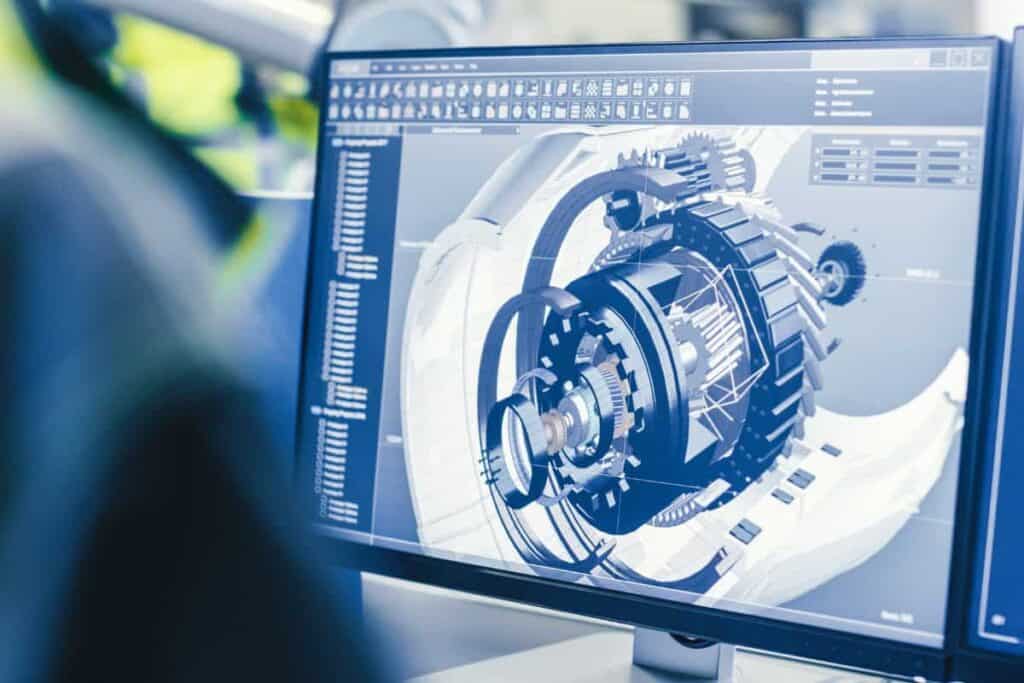
Years of experience in the field of industrial automation
Industrial automation with international standards
Industrial automation requires more than just a correctly constructed panel. We start with the architecture of the system and make conscious choices in component selection, standardization and scalability. By fully mastering engineering, panel construction and integration, we realize control systems that perform reliably in demanding industrial environments. From modular construction to international compliance, every detail is focused on quality, longevity and manageable Total Cost of Ownership.
We do not build standard solutions, but technically sound systems that match the complexity of modern mechanical engineering.
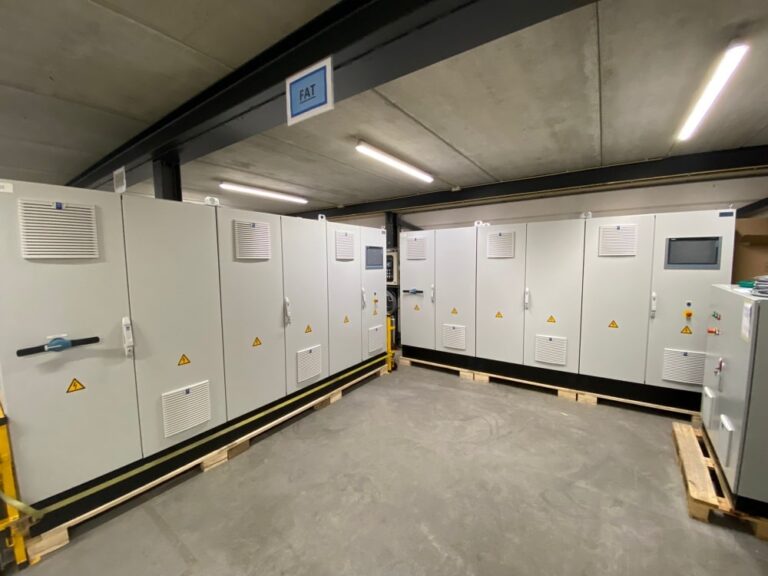
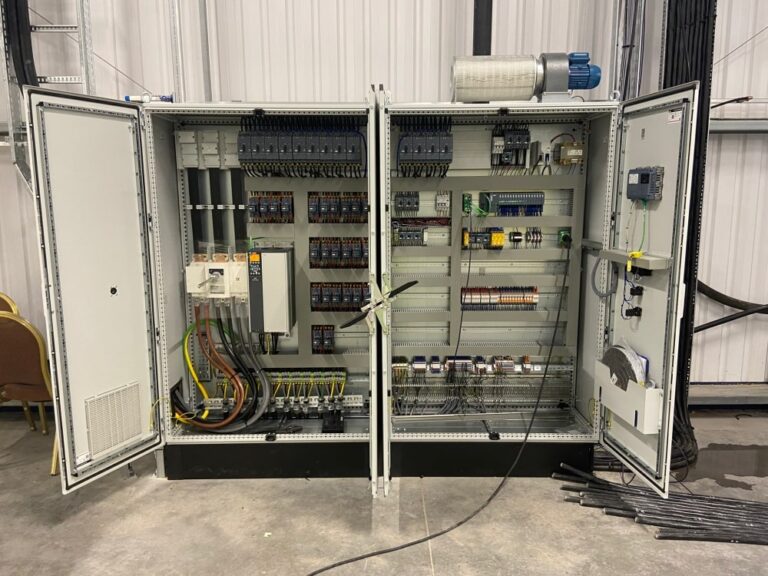
Kwadrant IA as partner for control cabinets for robotic cells
Kwadrant IA supports companies in the design and realization of control cabinets for robotic cells and cobots. With expertise in panel construction, hardware and software engineering, robot control cabinets are developed that meet the required safety functions and industrial standards. We work in accordance with NEN-EN 61439 for the cabinet construction and NEN-EN 60204-1 for the electrical equipment. For machine safety, the PL and SIL methodology is used where applicable.
Thanks to experience within sectors such as logistics, robotics and machine building, Kwadrant IA delivers solutions that are practically applicable and fit within diverse production environments. From engineering and construction to testing and commissioning, the electrical engineering process is carried out in a controlled manner. Contact us for substantive advice or to discuss the possibilities for your robot cell or cobot setup.
Frequently asked questions about control cabinets for robotic cells and cobots
What safety features are required in robotic cells?
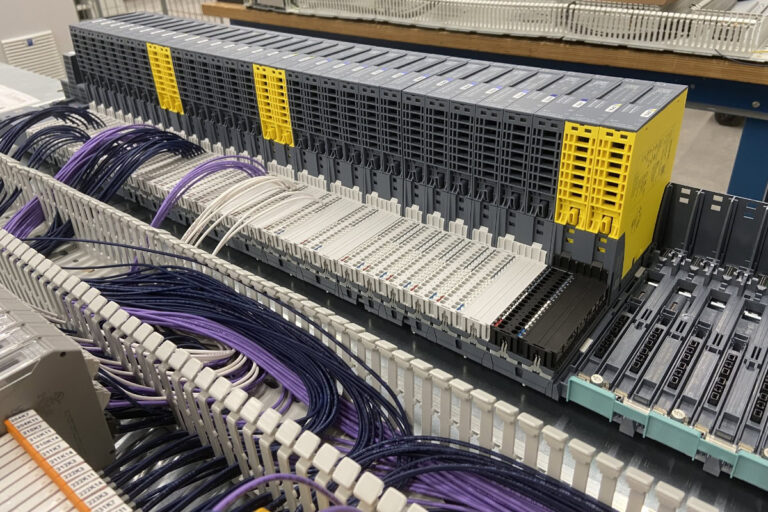
Robot cells require safety functions such as emergency stop circuits, safety gates, door locks and safe speed and stop functions. These functions are designed based on a risk analysis and elaborated according to EN ISO 13849-1. Safety relays or safe PLC functions are used in the control cabinet to ensure predictable and controlled shutdown.
What is the difference between a robot cell and a cobot setup?
A robot cell is usually physically shielded and designed for high speeds and powers. A cobot setup is designed for human-robot cooperation and has lower powers and speeds. This difference directly affects the safety architecture and layout of the cobot control cabinet.
What role does machine safety play in robot control?
Machine safety determines how risks to operators are reduced during normal operation and malfunctions. In robot control, this means the correct application of safety functions, Performance Levels and fault detection. The control box is the technical foundation in which these safety functions come together.
How are robot control cabinets tested?
After construction of the control cabinet, functional tests are performed to verify operation of controls and safety. During a Factory Acceptance Test, all safety functions are run through. Upon commissioning, a Site Acceptance Test follows to confirm that the robot cell operates safely in practice.
When is customization required for a robotic cell control cabinet?
Customization is required when the robot installation differs in layout, safety concept or communication requirements. Factors such as environment, type of robot, cooperation with operators and desired expandability determine the design. A custom control cabinet better suits these specific requirements than a standard solution.
